

Why are there stones around train tracks? Here's what they're really for
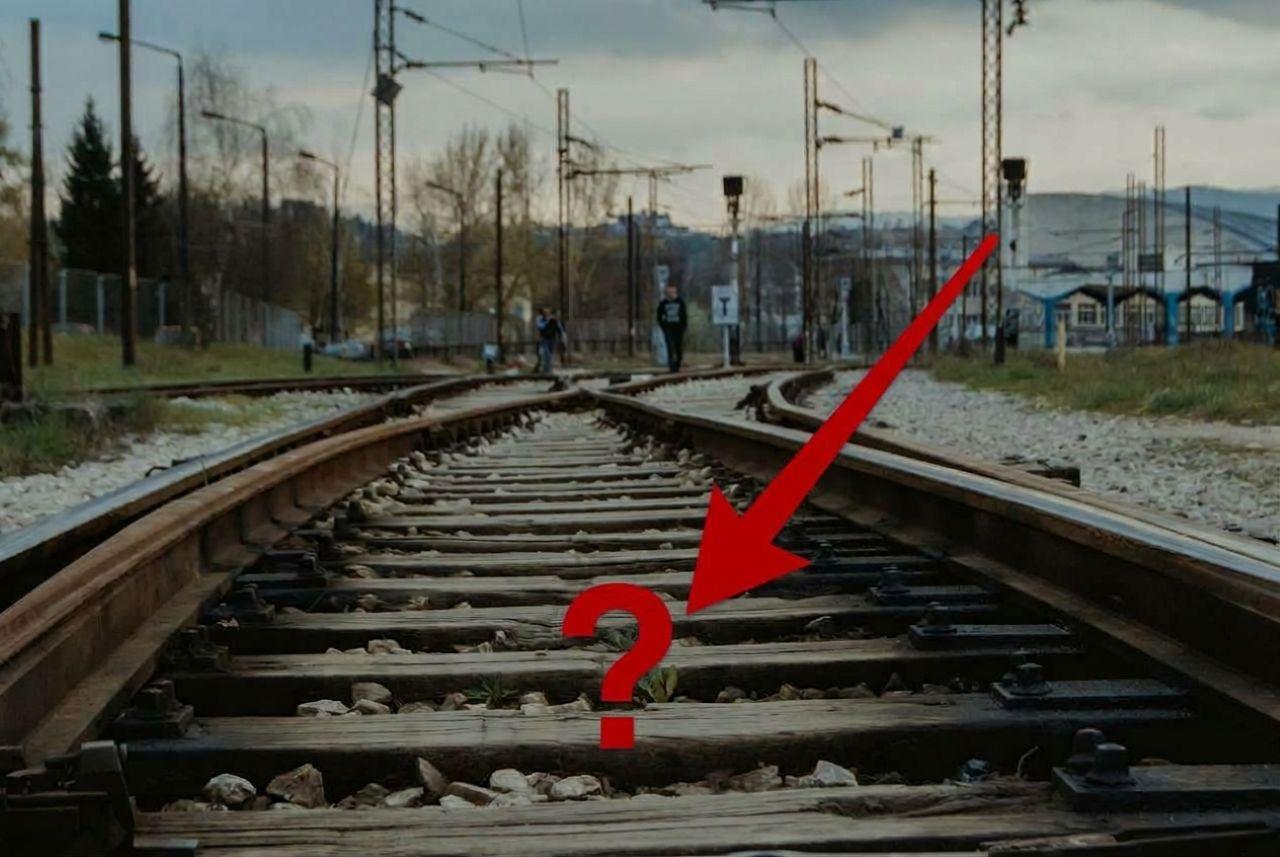
The crushed stones found beneath and around railway tracks do more than fill the ground. Known as railway ballast, this layer helps distribute train loads into the ground, keep the track stable and drain rainwater.
Most people have probably noticed the stones surrounding railway tracks. But why are they there? The crushed stones beneath and around train tracks are an essential part of railway infrastructure. Known as ballast, this layer helps keep the tracks in position, distribute the loads generated by passing trains into the ground and drain rainwater. Here's how it works.
What are the stones around train tracks used for?
Ballast stones are placed beneath and around the sleepers, also known as railroad ties, to support them and help keep the track stable. When a train passes, the forces it generates are transferred from the rails to the sleepers, then through the ballast layer and into the underlying ground.
An academic study titled Demiryolu Balastının ve Özelliklerinin Araştırılması (An Investigation of Railway Ballast and Its Properties) examines the characteristics of railway ballast and its role in railway systems. Using ballast with suitable properties is important for the track's load-bearing capacity and stability.
Why are railway ballast stones crushed and angular?
The shape of the stones used in railway tracks is not arbitrary. The angular surfaces of crushed stones interlock, helping resist sleeper movement. This contributes to keeping the track in position as trains pass.
A 2020 study published in Scientific Reports, titled Shape analysis of railway ballast stones: curvature-based calculation of particle angularity, examines the shape and angularity of ballast stones. Particle geometry is one of the factors considered when assessing the engineering performance of railway ballast.
How does railway ballast drain water?
The gaps between ballast stones allow rainwater and melting snow to drain away. Water accumulating beneath a railway track can adversely affect the ground's load-bearing capacity and the stability of the track.
Over time, however, these gaps can become clogged with fine particles produced by stone wear and other sources. This can reduce the ballast's drainage capacity, making regular railway track maintenance important.
Why aren't train tracks laid directly on the ground?
A railway track is a system made up of rails, sleepers, ballast and the underlying ground. These components work together to support train loads and help keep the rails in the correct position.
Rails can expand and contract as temperatures change. These movements must be taken into account when designing railway tracks, particularly continuously welded rail systems. Ballast and rail fastening systems also play a role in resisting track movement.
In other words, the stones around railway tracks are far more than simple filler. Railway ballast is an important engineering component that helps keep the track stable, distribute loads into the ground and drain water.
- Popular News -

How do you drink your tea? Study reveals surprising findings about heart health
Major surprise at Troy: First musical instrument found in 160 years of excavations

How to Make Authentic Turkish Bursa Doner Kebab: Traditional Techniques and Tips

Tesla unveils new car it says can 'fly'

9,000-year-old mining workshop found in Türkiye

World's Oldest Shipwreck Found in Türkiye: Was It Heading to Troy?