

The hidden eagle's nest Alexander the Great could never conquer
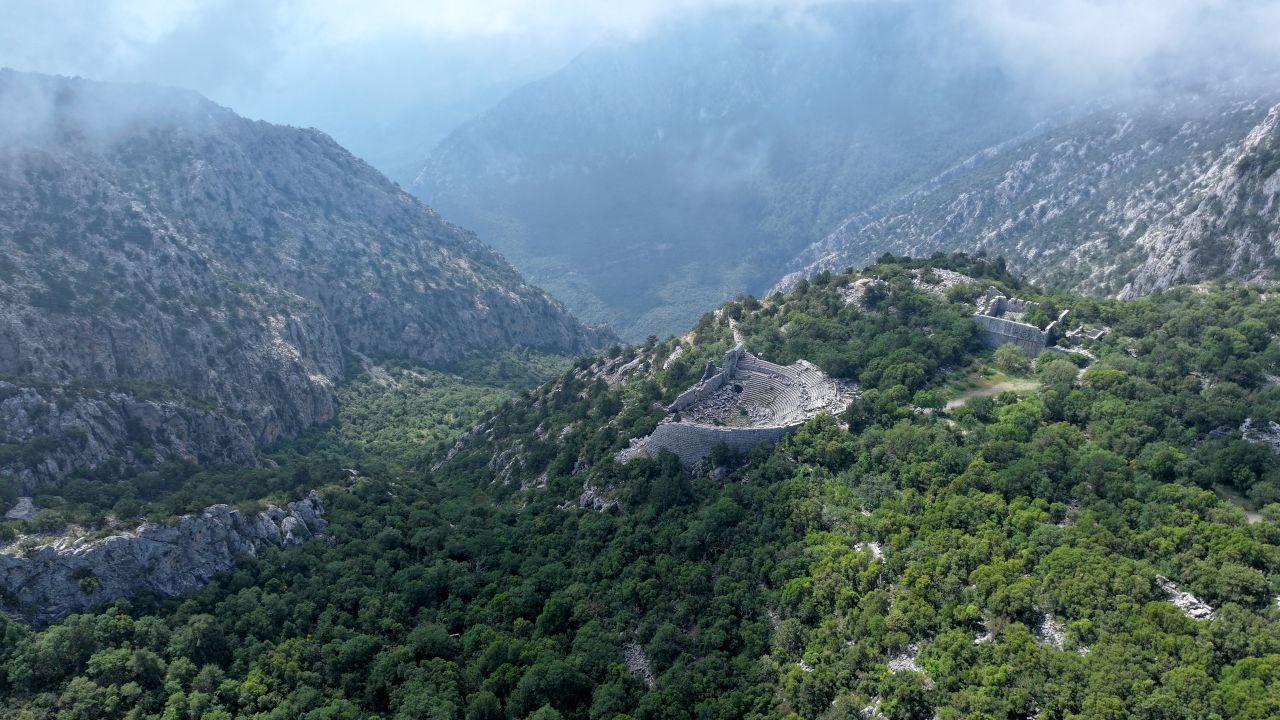
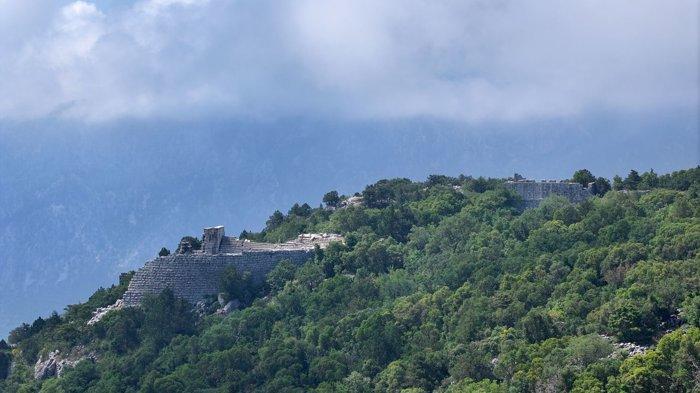
Located among the rugged peaks of Mount Güllük in Antalya, Türkiye, the ancient city of Termessos resisted the siege of Alexander the Great in 333 BC and refused to surrender thanks to its strong defenses. With its eagle's-nest-like location, ancient ruins spread across the mountains, monumental tombs and theatre, the city is one of Türkiye's archaeological sites where history and nature come together.
Located near the Döşemealtı district of Antalya, within the boundaries of Güllük Mountain National Park, Termessos is one of Anatolia's most remarkable ancient cities. Almost hidden in a valley among the mountain peaks, the city is known for its strategic position surrounded by steep cliffs.
The City Alexander the Great Could Not Conquer
According to sources from the Ministry of Culture, Termessos was founded by the Solymians, who were said to be descendants of the Luwians, one of Anatolia's oldest peoples. The city stood in a valley among the peaks of Mount Solymos, now known as Güllük.
One of the most significant events in Termessos's history was the siege laid by Alexander the Great during his campaign in Anatolia in 333 BC. The people of Termessos refused to surrender thanks to their strong defenses. This event led the city to be remembered as one of the places Alexander the Great could not conquer.
HOW IT EARNED THE NAME "EAGLE'S NEST"
Around 333 BC, when Alexander the Great arrived at the city, he reportedly failed to capture it or force it to surrender despite his repeated attempts. According to legend, he gave the city the name "eagle's nest."
Indeed, the city's mountainous location, resembling an eagle's nest, is also important in understanding its defensive strength. Its walls and settlement, integrated with the rugged terrain, reveal its strategic position in antiquity.
According to experts, the settlement at Termessos was established at an altitude of between 1,050 and 1,200 meters. The people of Termessos were known to be highly warlike and deeply devoted to their freedom. In fact, imperial portraits were never featured on coins minted in Termessos, as the people consistently emphasized their independence.
An Ancient City Spreading Across the Mountains
The ruins of Termessos extend from the Hellenistic-period walls near Yenicekahve on the Antalya–Korkuteli highway to the summit of Mount Güllük. The ancient city contains a theatre, agora, council building, gymnasium, baths, temples, remains of a colonnaded street and numerous tombs.
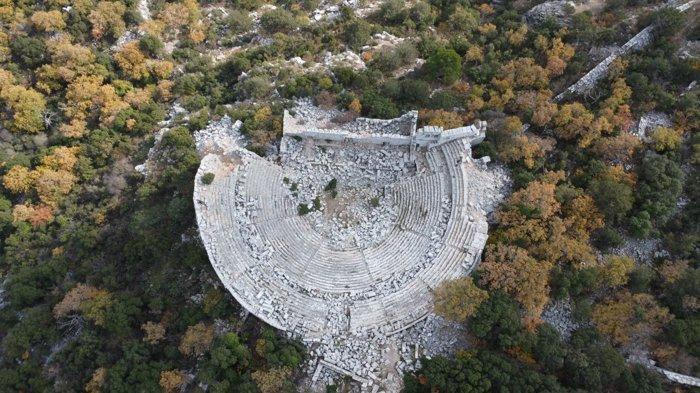
Built on a slope, the theatre is among the city's most striking structures, with its position overlooking the Gulf of Antalya. The five interconnected large cisterns in the ancient city also preserve important evidence of the water-storage systems of the period.
Another structure in the city is an Ionic-order temple built during the reign of Emperor Hadrian. The partially standing sections of the gymnasium, the remains of the colonnaded street and the sewer system also offer insight into Termessos's developed urban life.
Monumental Tombs and Remarkable Sarcophagi
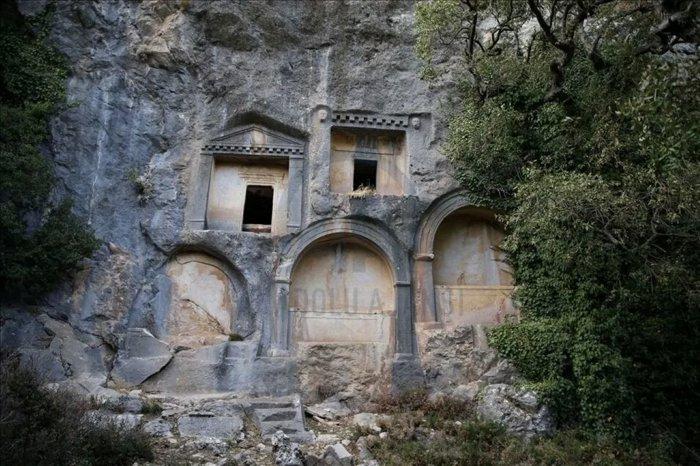
Termessos also stands out for its extensive necropolises and funerary architecture.
An Inscription Declaring Independence
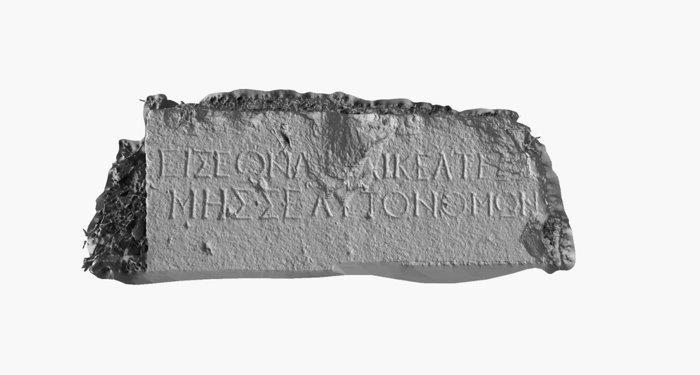
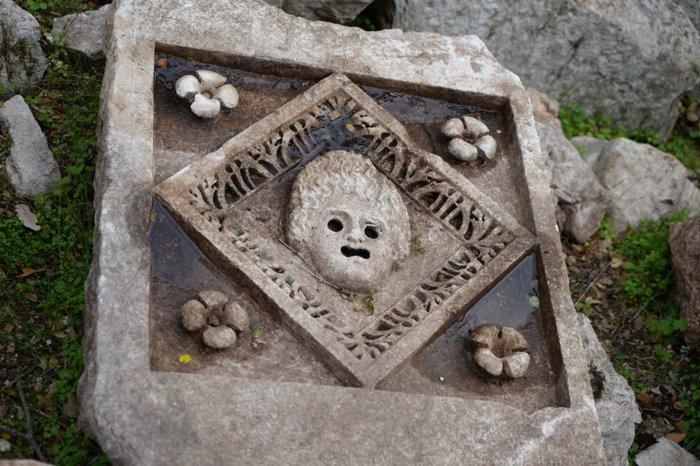
Research in Termessos has revealed new details about the city's past. For example, according to an Anadolu Agency report dated June 2026, inscriptions relating to independence and divination practices were identified near the collapsed entrance gate of the ancient city.
One of the inscriptions contains a statement meaning, "May the rights of the independent Termessians last forever." The inscription indicates that the city's independence was proclaimed to visitors at the entrance gate.
In the same area, inscriptions relating to a divination practice in which bones known as astragali were used like dice were also examined. The written responses corresponding to the combinations produced by throwing the bones included guidance related to travel and trade.
An examination of the area revealed a divination inscription in which an ankle bone was used like a die. An inscription associated with the ankle bone was found to contain statements such as, "Do not trade today. Do not go where you intend to go. Go where you want to go."
Where History and Nature Meet
Located in the forested area of Güllük Mountain National Park, Termessos draws attention not only for its archaeological remains but also for its rich vegetation and wildlife. The way the ancient structures blend into their natural surroundings makes the city stand out not only for its historical monuments but also for its landscape.
Having resisted Alexander the Great's siege, expressed its independence through inscriptions and endured among the mountain peaks, Termessos is one of the special places in Türkiye where ancient history and natural beauty can be experienced together.
- Popular News -

How do you drink your tea? Study reveals surprising findings about heart health
Major surprise at Troy: First musical instrument found in 160 years of excavations

How to Make Authentic Turkish Bursa Doner Kebab: Traditional Techniques and Tips

Tesla unveils new car it says can 'fly'
9,000-year-old mining workshop found in Türkiye
World's Oldest Shipwreck Found in Türkiye: Was It Heading to Troy?