


9,000-year-old mining workshop found in Türkiye
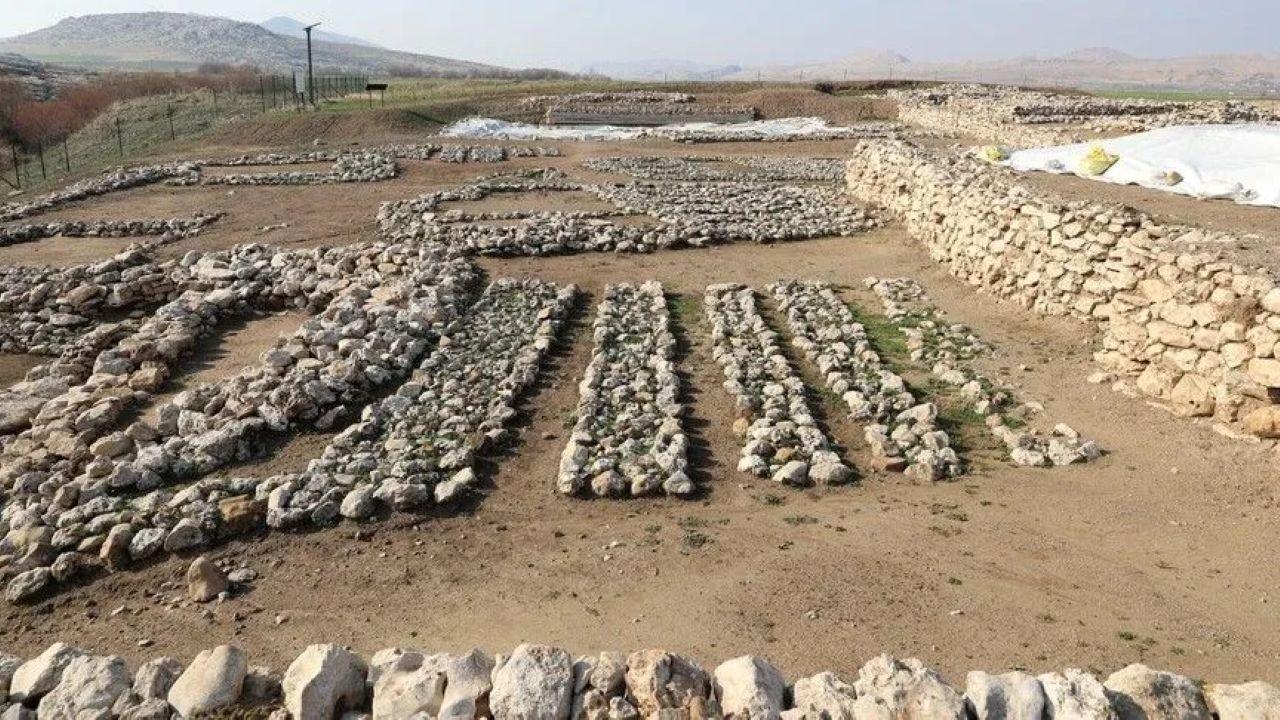
Discovery dating to 6900-6800 B.C. offers new evidence of early copper production, specialized craftsmanship at one of region's oldest Neolithic settlements
Archaeologists have uncovered a roughly 5-square-meter mining workshop dating to 6900-6800 B.C. at Cayonu Tepesi, a prehistoric settlement in southeastern Türkiye that provides important evidence of the transition to settled life and early agriculture.
The discovery adds to evidence that people at Cayonu were working with copper and malachite as early as 9100 B.C., suggesting that the settlement had a long tradition of mineral processing and early metalworking.
Cayonu, located in the foothills of the Taurus Mountains, is one of the key archaeological sites for understanding the Neolithic period, when communities in the region increasingly adopted settled lifestyles, agriculture and specialized forms of production.
Evidence of an organized production area
At least six postholes were identified around the roughly 5-square-meter area, while a stone-paved working surface was found at its center. The arrangement suggests the area may have been covered by a shade structure and deliberately organized for production activities.
Eighteen malachite pieces were found at the center of the workshop, with another 24-25 malachite samples recovered in and around the structure. The number of malachite and copper finds from the wider working area has reached about 42.
The finds include raw malachite, material that had been partly processed and finished pieces, as well as copper beads and other copper objects.
The combination of raw material and objects at different stages of production in the same area provides evidence that processing and manufacturing activities took place at the site rather than the materials simply being brought there as finished products.
A long record of cultural change
The 2026 excavation season has also produced new evidence of cultural continuity at Cayonu.
Archaeologists working in the western area found high-quality pottery associated with the early stages of the Pottery Neolithic and the Proto-Hassuna culture.
The finds are provisionally dated to about 6800-6600 B.C. Their chronology will be refined through ongoing radiocarbon and other archaeometric analyses.
The mining workshop is considered one of the most significant discoveries of this year's excavation season because its architecture can be identified as a dedicated production area, while raw materials and products at different stages of manufacture were found together and the workshop could be documented as a complete unit.
- Popular News -

How do you drink your tea? Study reveals surprising findings about heart health
Major surprise at Troy: First musical instrument found in 160 years of excavations

How to Make Authentic Turkish Bursa Doner Kebab: Traditional Techniques and Tips

Tesla unveils new car it says can 'fly'

World's Oldest Shipwreck Found in Türkiye: Was It Heading to Troy?
What is Göbeklitepe? Location, age and why it matters