


‘Whack-a-Mole' to ‘Looksmaxxing': 1,400 new words added to the dictionary
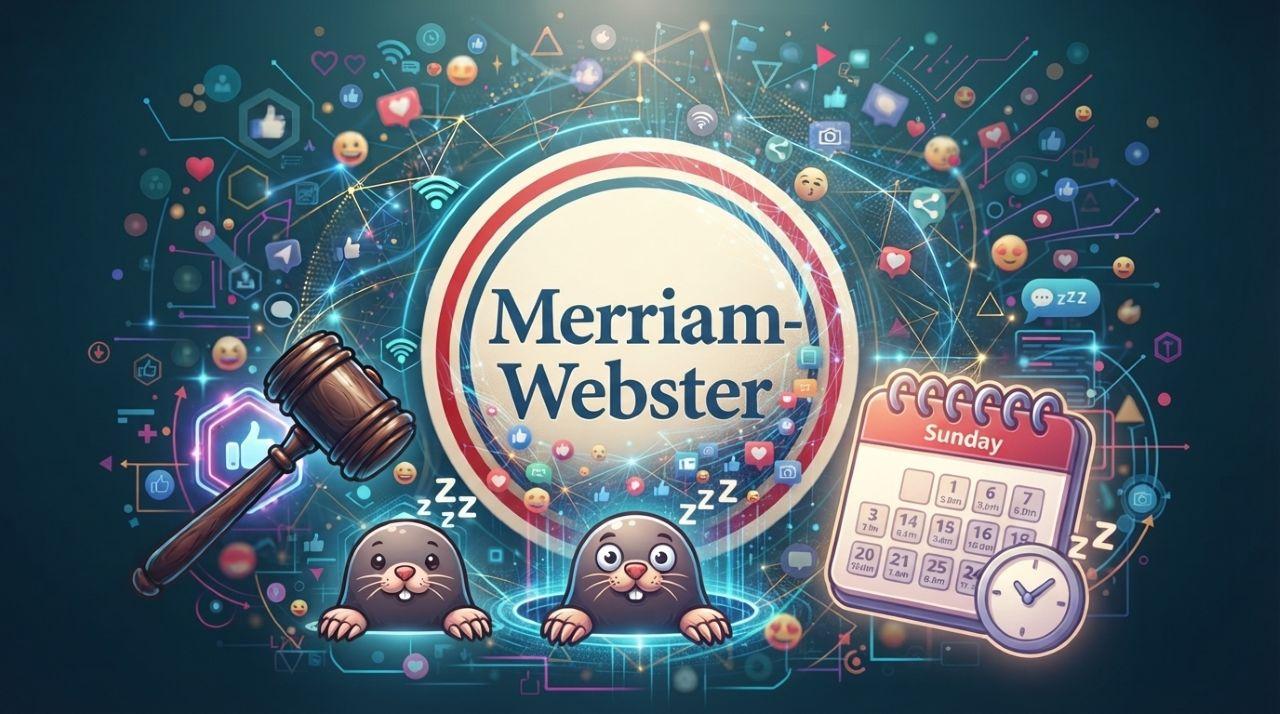
Merriam-Webster has added 1,400 new words and meanings to its dictionary, including internet and social media terms such as “looksmaxxing,” “parasocial,” “Rickroll” and “Sunday scaries,” reflecting how online culture continues to shape everyday English.
The U.S.-based dictionary publisher announced the additions on Sept. 15, saying the update reflects words and meanings that have demonstrated frequent, widespread and meaningful use over time.
Among the newly added terms is "looksmaxxing," which refers to the practice of taking one or more measures to improve a person's physical attractiveness, sometimes involving extreme or potentially dangerous methods.
Another addition, "parasocial," describes a one-sided relationship, usually with a public figure or fictional character, in which a person feels an emotional connection to someone they do not actually know.
The internet classic "Rickroll" has also officially entered the dictionary. The term refers to tricking someone into listening to Rick Astley's 1987 hit song "Never Gonna Give You Up," typically by disguising the link or content leading to the song.
Everyday expressions find a place in the dictionary
The latest additions go beyond internet slang, with several terms describing familiar experiences and situations in everyday life.
"Sunday scaries" refers to the feeling of anxiety or unease that can come as the weekend draws to an end and a new week approaches.
"Whack-a-mole," a term borrowed from the arcade game in which players hit pop-up toy moles with a mallet, is used to describe a situation in which solving one problem is quickly followed by another.
The word "crashout" is another new addition, referring to a sudden emotional or mental breakdown or an episode in which someone loses control.
From food culture to artificial intelligence
The update also includes words that have become familiar through food culture and technology.
"Cake pop" refers to a small sweet made from crumbled cake and frosting, while "chili crisp" describes a savory, often spicy sauce made with ingredients such as fried onions, garlic, chili peppers and oil.
The term "superfood" is used broadly for nutrient-rich foods such as blueberries, salmon and broccoli.
Another notable addition is "uncanny valley," a term used to describe the feeling of unease or revulsion that can arise when something designed to resemble a human looks highly realistic but not quite human. The concept is often discussed in connection with robots, artificial intelligence-generated content and other humanlike creations.
According to Merriam-Webster, a word does not enter the dictionary simply because it is new. Its lexicographers look for evidence that it has been used frequently, widely and meaningfully.
The dictionary typically adds around 1,000 new entries each year. This year's 1,400 additions offer another snapshot of how English is evolving, from internet culture and everyday experiences to food and eme
- Popular News -

The hidden eagle's nest Alexander the Great could never conquer

Why are there stones around train tracks? Here's what they're really for

How Tolkien created the Elvish languages of Middle-earth

Who is Anne Carson? Canadian writer wins the 2026 Nobel Prize in Literature

World's largest penguin colony loses nearly two-thirds of its population

Egypt: Ancient crocodilian found in rocks that built Great Sphinx