

Inside Istanbul's 500-year-old Turkish hammam museum
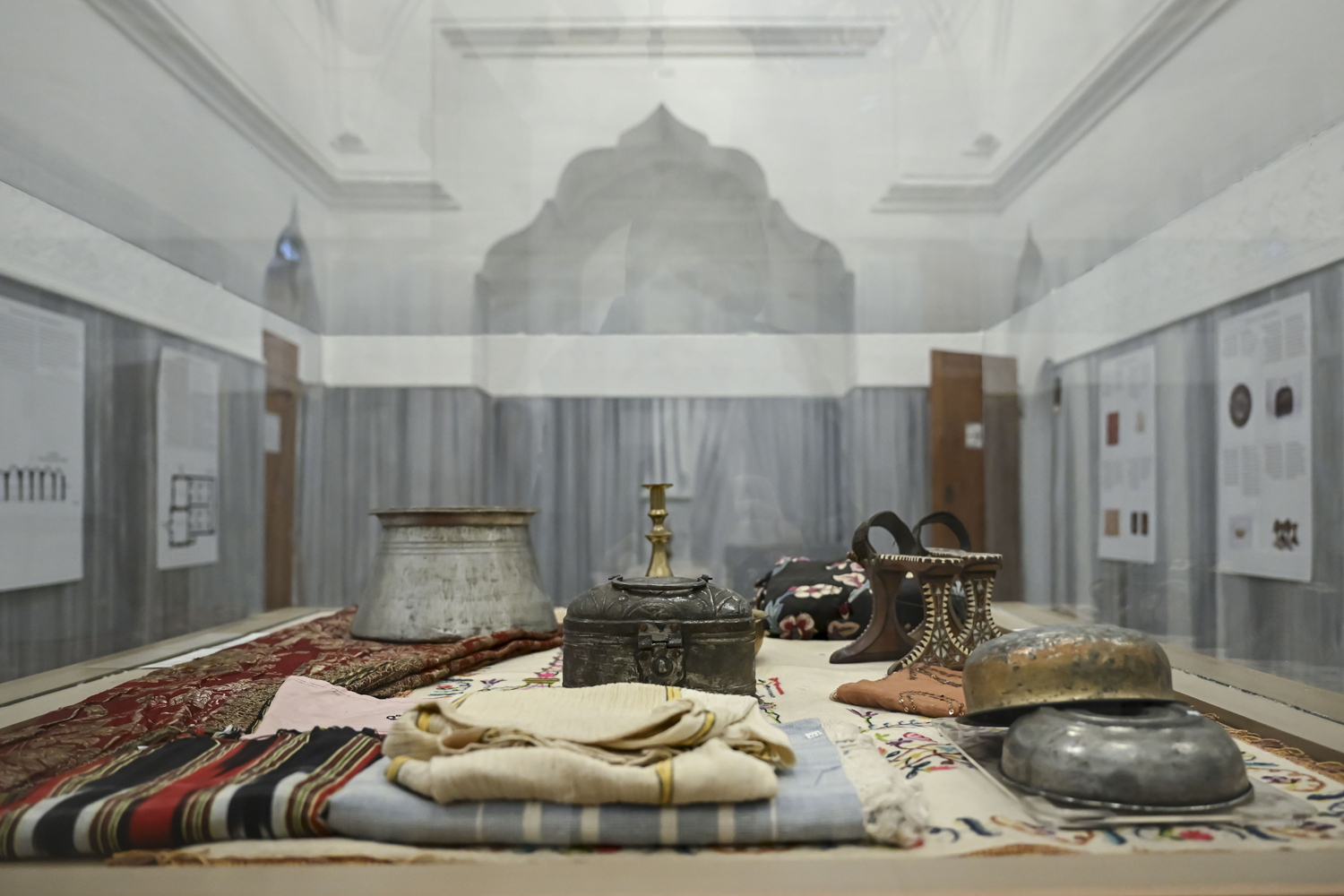
Built in the early 16th century, a historic Turkish hammam in Istanbul now serves as a museum preserving centuries-old bathing traditions. The II. Bayezid Turkish Bath Culture Museum displays traditional items such as pestemal (cotton bath wraps), nalin (ornate wooden bath clogs), bathing bowls and natural cleansing clay, offering visitors a glimpse into bathing rituals and daily life during the Ottoman era.
Built in the early 16th century as a double hammam, the historic building was commissioned by Gülbahar Hatun, wife of Bayezid II and mother of Selim I. It formed part of the Bayezid II Complex in the Fatih district of Istanbul and now serves as the Bayezid II Turkish Bath Culture Museum.
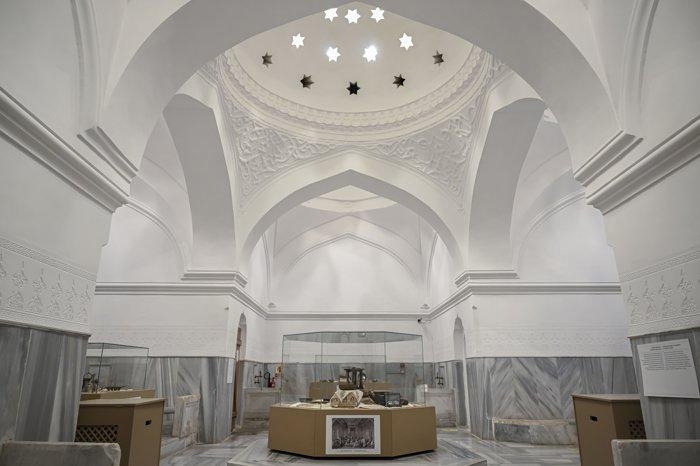
Established under Istanbul University in 2015, the museum has welcomed more than 100,000 visitors to date.
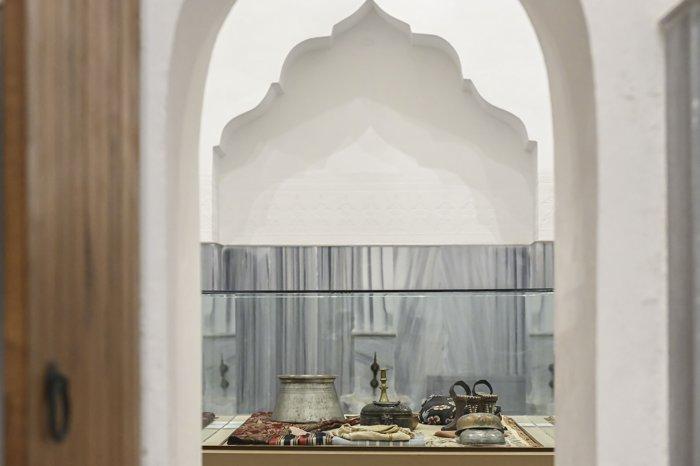
Known as Hamam-ı Kebir, the museum covers an area of 2,000 square metres. Alongside architectural features used in hammam design, its collection includes numerous objects associated with traditional Turkish bathing culture, including nalın (traditional wooden bath clogs), peştamal (traditional hammam wraps), metal hamam tası (bathing bowls), şifa tası (healing bowls), buhurdanlık (incense burners), ibrik (water ewers), maşrapa (water dippers), decorated topuk taşı (heel stones), combs made of horn and ivory, kildanlık (soap containers), kirdenlik (traditional copper washing basins) and natural clay used for cleansing. The museum also displays visual materials documenting hammam culture.
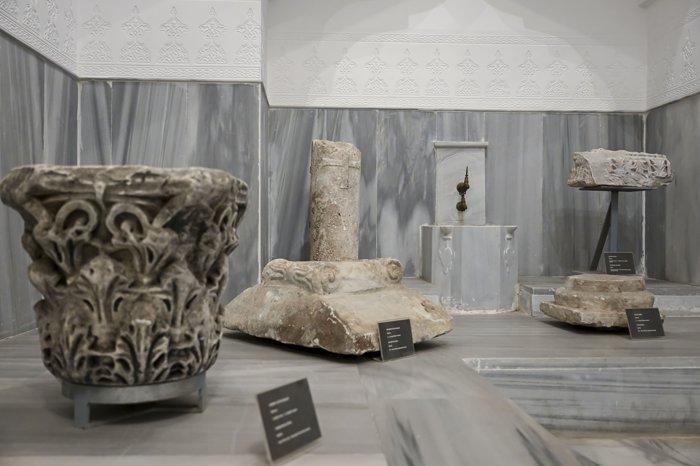
Reflecting the architectural characteristics of Ottoman double hammams, the museum hosts exhibitions and workshops throughout the year dedicated to traditional bathing practices and hammam culture.
"Our museum displays 234 registered artefacts"
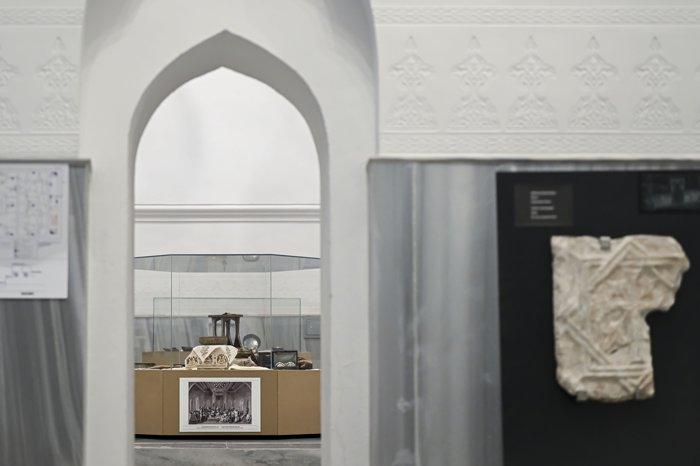
Museum Director Yazgülü Turan told Anadolu Agency that the hammam was built in 1507–1508 and damaged in a major fire that broke out in the area in 1715. Following restoration, it continued to operate as a hammam until 1930.
After 1930, the building passed into private ownership and remained unused for a long period. During this time, its changing rooms were used as a blacksmith's workshop and a leather storehouse, causing further damage to the historic structure.
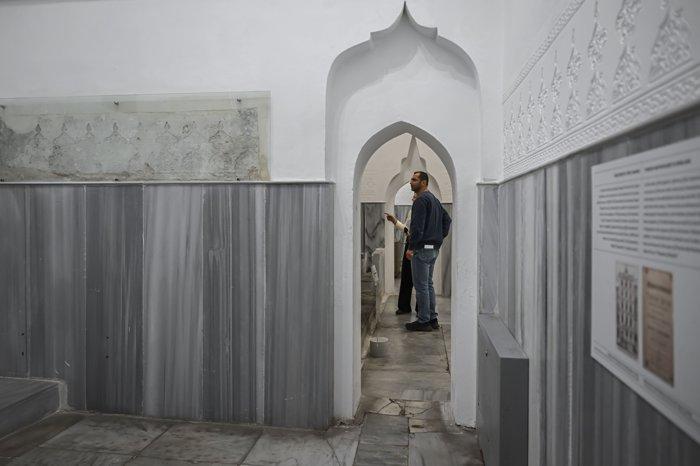
The building became the property of Istanbul University in 2000. Following maintenance, repairs and landscaping, the decision was made in 2013 to convert it into a museum.
Recalling that the museum opened to visitors on May 26, 2015, Turan said: "We provide free admission to the public as part of Istanbul University. We attract considerable interest from both domestic and international tourists. Since opening, 106,000 people have visited our museum."
Turan explained that the museum features permanent and temporary exhibition spaces.
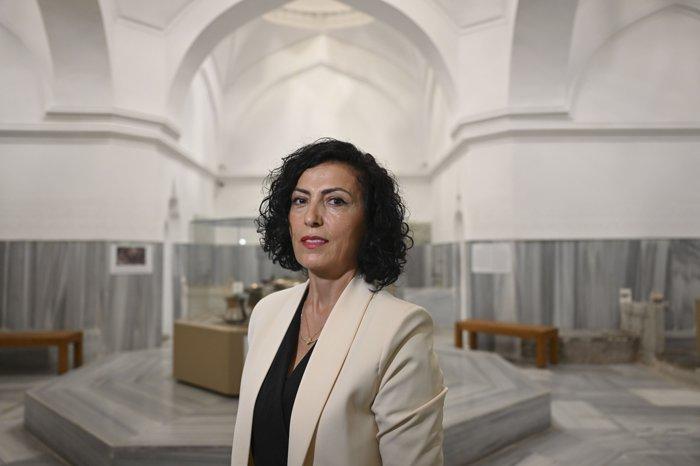
"Our permanent exhibition spaces display hammam artefacts and bathing objects. We exhibit 234 items registered in our collection. These include donated objects, textiles and ethnographic artefacts. Most of the items on display were used during the Ottoman period and date from the 18th and 19th centuries," she said.
Turan also highlighted the presence of artefacts dating back to the 3rd century during the Roman period.
"Roman-era stones were reused as building material in the foundations of this museum. A fragment of a very important triumphal arch is also exhibited in the area near the visitor entrance, where museum staff work. Roman stones can clearly be seen reused in the building's foundations," she said.
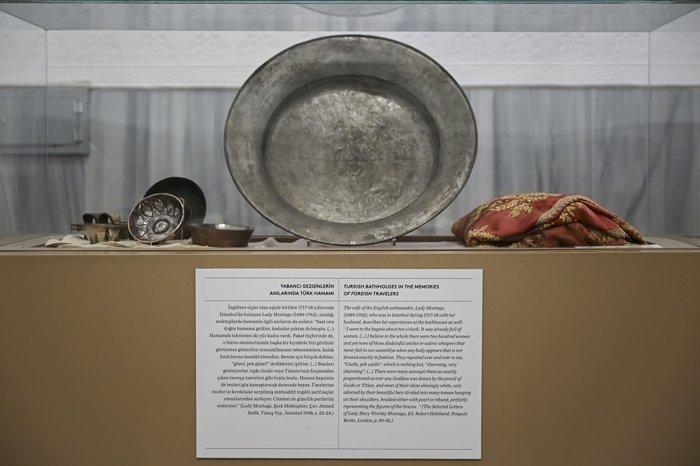
Istanbul's second-largest hammam
Turan noted that the museum's artefacts also bear decorative motifs characteristic of the periods to which they belong.
"There is, for example, a topuk taşı, a heel stone whose surface is decorated with silver in delicate, lace-like patterns. These are exceptional objects. There are also special stones depicting a young bull, made from fired clay.
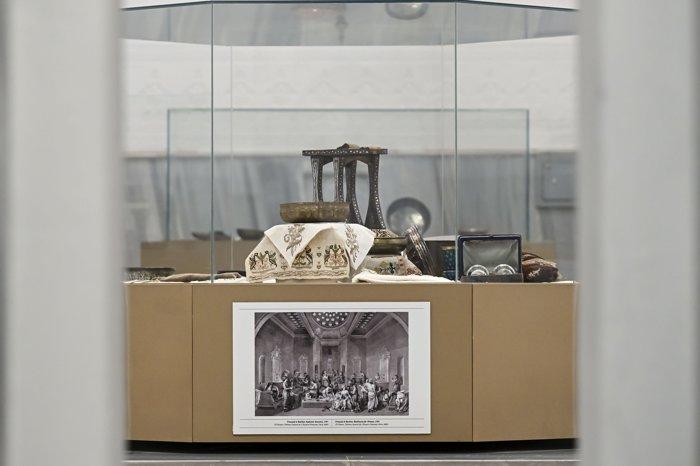
"Then there is kil, natural clay that served as a cleansing material before modern soaps and shampoos became widespread. Younger generations may not be familiar with its use. The clay was applied to the head and body and massaged into the skin to cleanse both the body and hair.
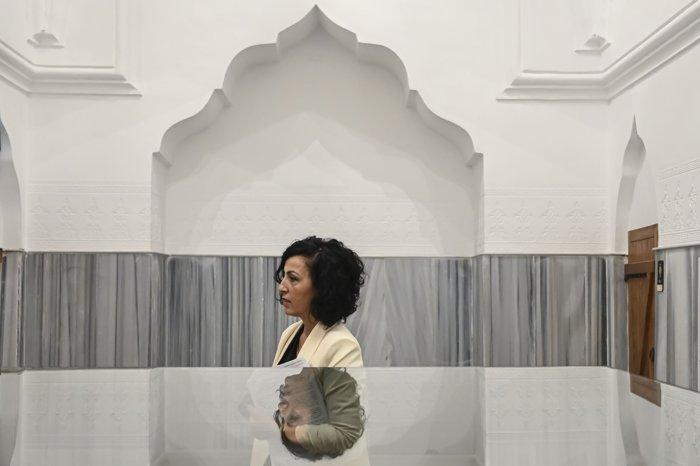
"The display cases also contain olive oil soaps from that period. In addition, there are nalın, traditional wooden bath clogs decorated with silver fittings and beads, some crafted by brides. The collection also includes textiles, as well as dining sets, tea sets and coffee sets used for refreshments and leisure," she said.
- Popular News -

How to see who liked your Instagram comment: Try this method
How do you drink your tea? Study reveals surprising findings about heart health
Major surprise at Troy: First musical instrument found in 160 years of excavations

How to Make Authentic Turkish Bursa Doner Kebab: Traditional Techniques and Tips

Tesla unveils new car it says can 'fly'
9,000-year-old mining workshop found in Türkiye