

This is Cappadocia: Have you ever heard of its ancient skyscraper?
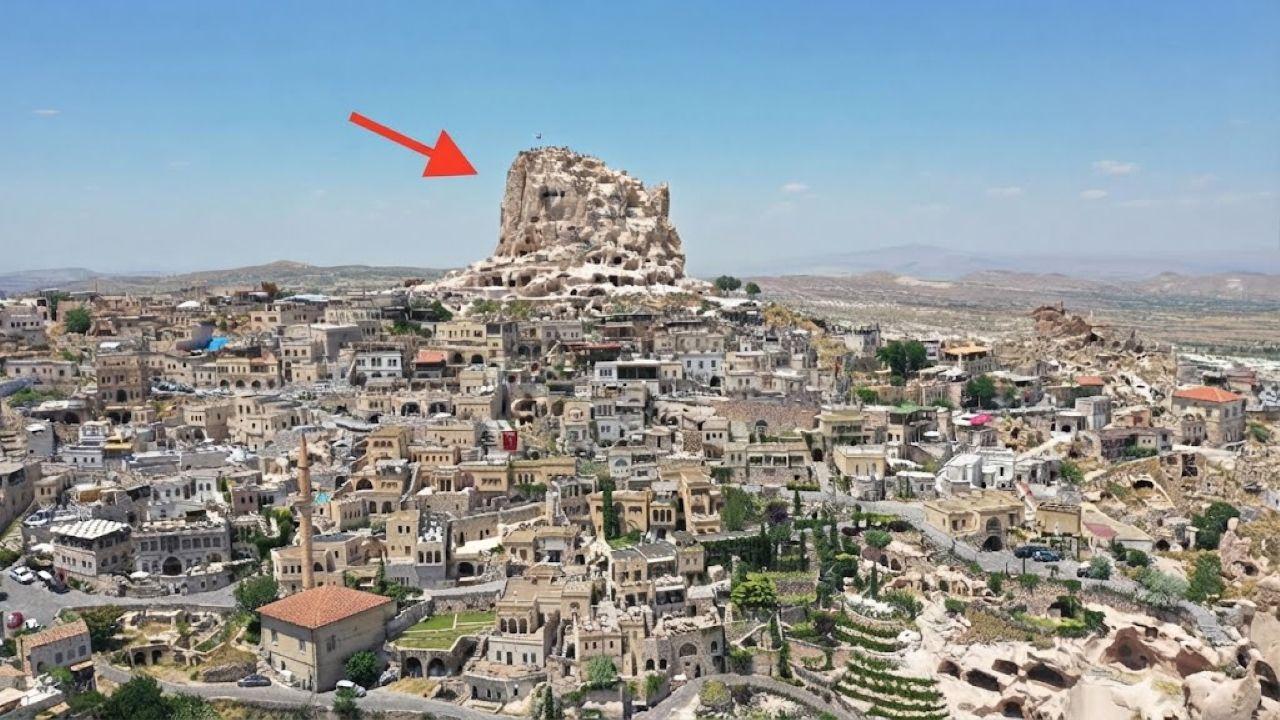
Rising from the spectacular landscape of Cappadocia in central Türkiye, Uçhisar Castle looks like a giant rock tower from a distance. But this is far more than a natural rock formation. For centuries, people carved the massive rock into homes, rooms, cisterns, storage areas, tombs and defensive spaces. Standing more than 100 meters high, the castle dominates the surrounding landscape and is often described as “Cappadocia's ancient skyscraper.”
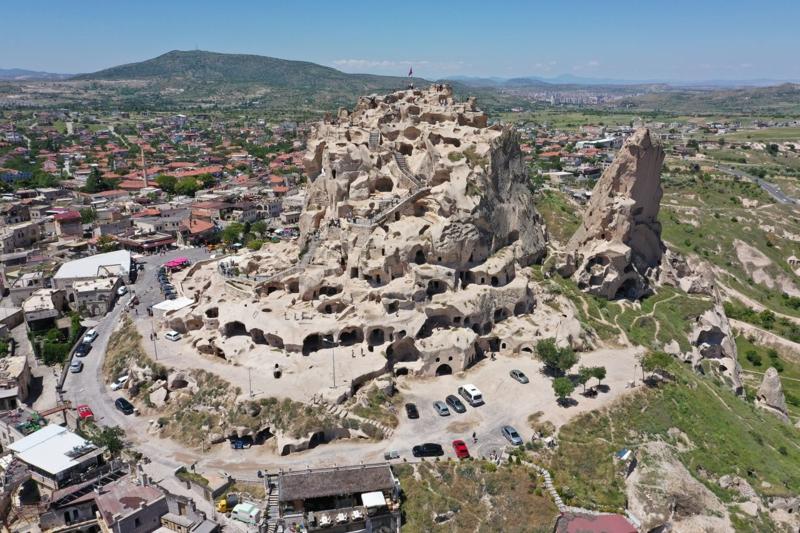
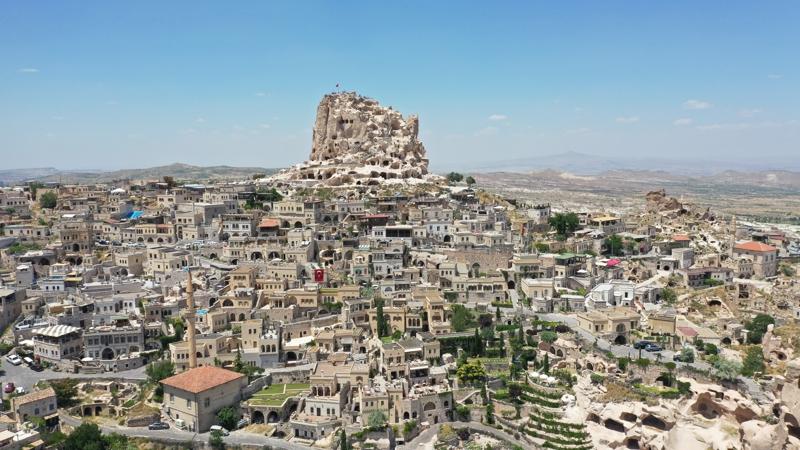
The history of settlement in Uçhisar is believed to date back to the 3rd millennium BC, as far as the Hittite period. Although the exact date when people first began carving the natural rock is unknown, the formation was gradually transformed into living spaces and places for observation and defense.
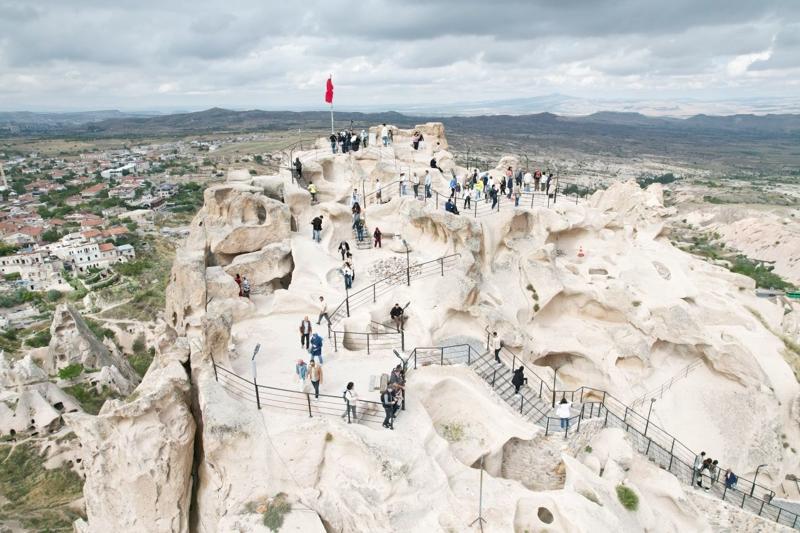
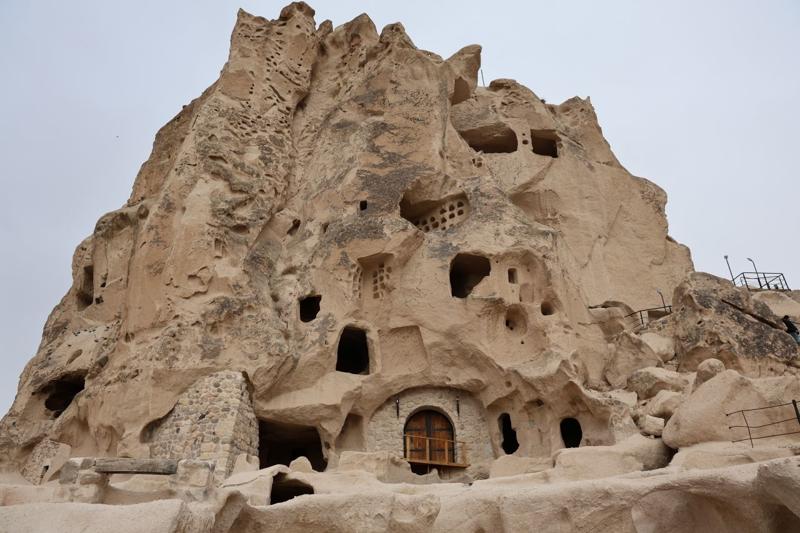
What is inside the ancient rock?
The summit contains rock-cut tombs, carved vessels and a large cistern. Some of the rock-cut spaces around the castle were later used to store agricultural products, including grapes and potatoes.
The caves, places of worship and living spaces carved into the rocks around Uçhisar also preserve traces of the early Christian period.
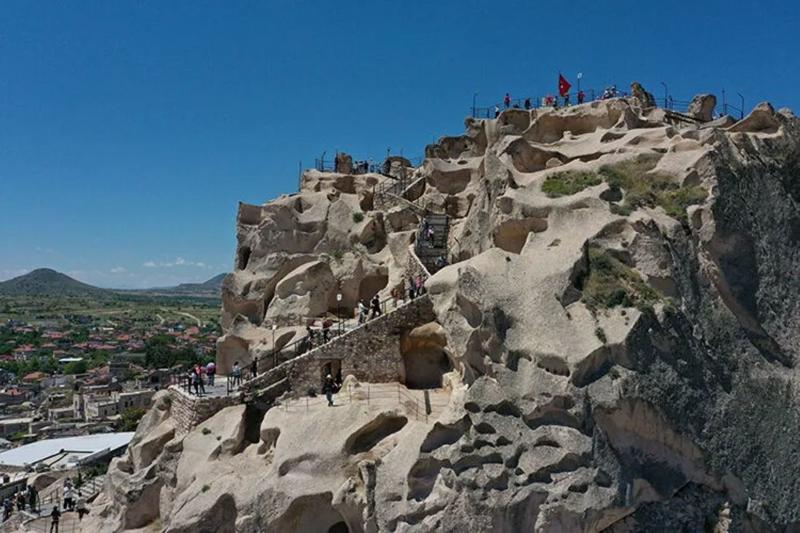
Millions of years of nature, thousands of years of human history
The story of Uçhisar Castle began long before people settled in Cappadocia.
The region's extraordinary landscape was shaped by the volcanic activity of Mount Erciyes, Mount Hasan and Göllü Mountain. The volcanic tuff layers formed by these eruptions were gradually eroded by wind and water over millions of years, creating the distinctive fairy chimneys and rock formations for which Cappadocia is known.
People later carved these relatively soft rock formations, turning them into places to live, store food and goods, and defend the settlement.
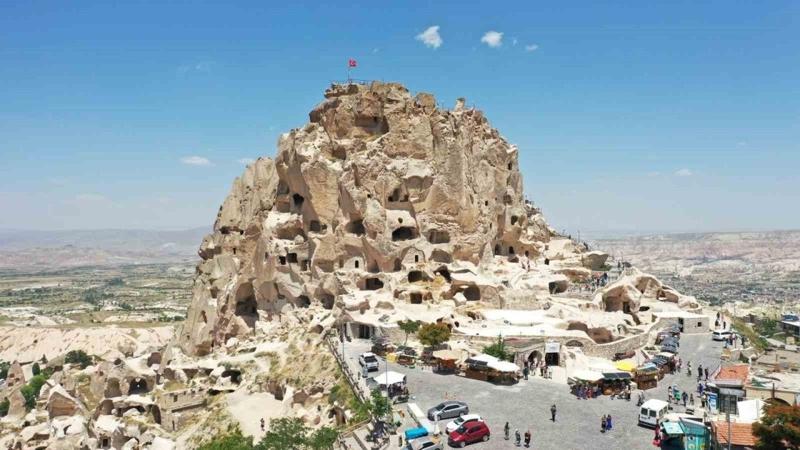
A lookout and defensive stronghold
Uçhisar's elevated position made the castle an important lookout and defensive stronghold throughout history.
Large stone cannonballs were kept at the castle for defensive purposes. Uçhisar retained its strategic importance during the Byzantine period and later became an important defensive center during the Seljuk and Anatolian Beyliks periods.
During the Seljuk period, Başhisar (Ürgüp), Ortahisar and Uçhisar were among the region's three important defensive points.
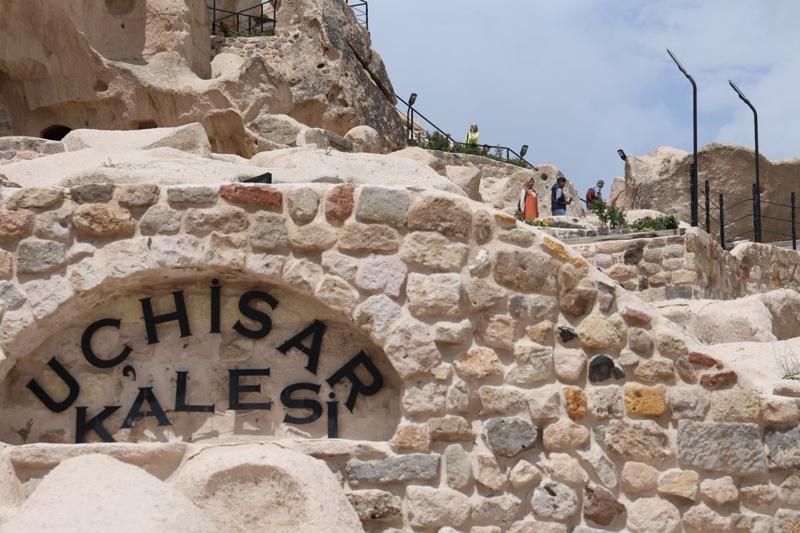
From the Seljuks to the Ottomans
Uçhisar was located in a frontier region between the eastern border of the Seljuks and the eastern border of the Karamanids. Its position as a frontier settlement is associated with the name Uçhisar.
The area around the castle was densely populated during the Seljuk period. After the Ottomans took control of the region during the reign of Bayezid II, Uçhisar Castle was surrendered to Bayezid II and continued to retain its importance during the Ottoman period.
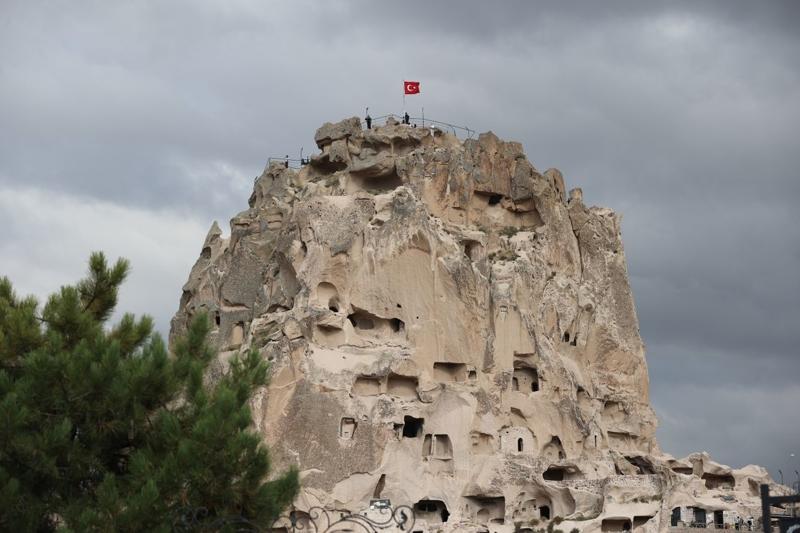
A panoramic view of Cappadocia
Today, visitors can climb to the summit of Uçhisar Castle for sweeping views across the valleys and distinctive rock formations of Cappadocia.
From the top, the panorama extends toward Güvercinlik Valley, Göreme, Kılıçlar Valley, Kızılçukur and Avanos, offering a bird's-eye view of one of Türkiye's most distinctive cultural landscapes.
- Popular News -

How do you drink your tea? Study reveals surprising findings about heart health
Major surprise at Troy: First musical instrument found in 160 years of excavations

How to Make Authentic Turkish Bursa Doner Kebab: Traditional Techniques and Tips

Tesla unveils new car it says can 'fly'
9,000-year-old mining workshop found in Türkiye
World's Oldest Shipwreck Found in Türkiye: Was It Heading to Troy?