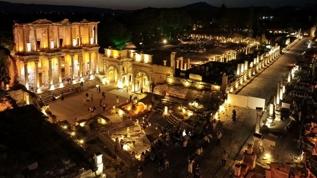



7,000 years older than Stonehenge: Why Göbekli Tepe matters — and what we have learned
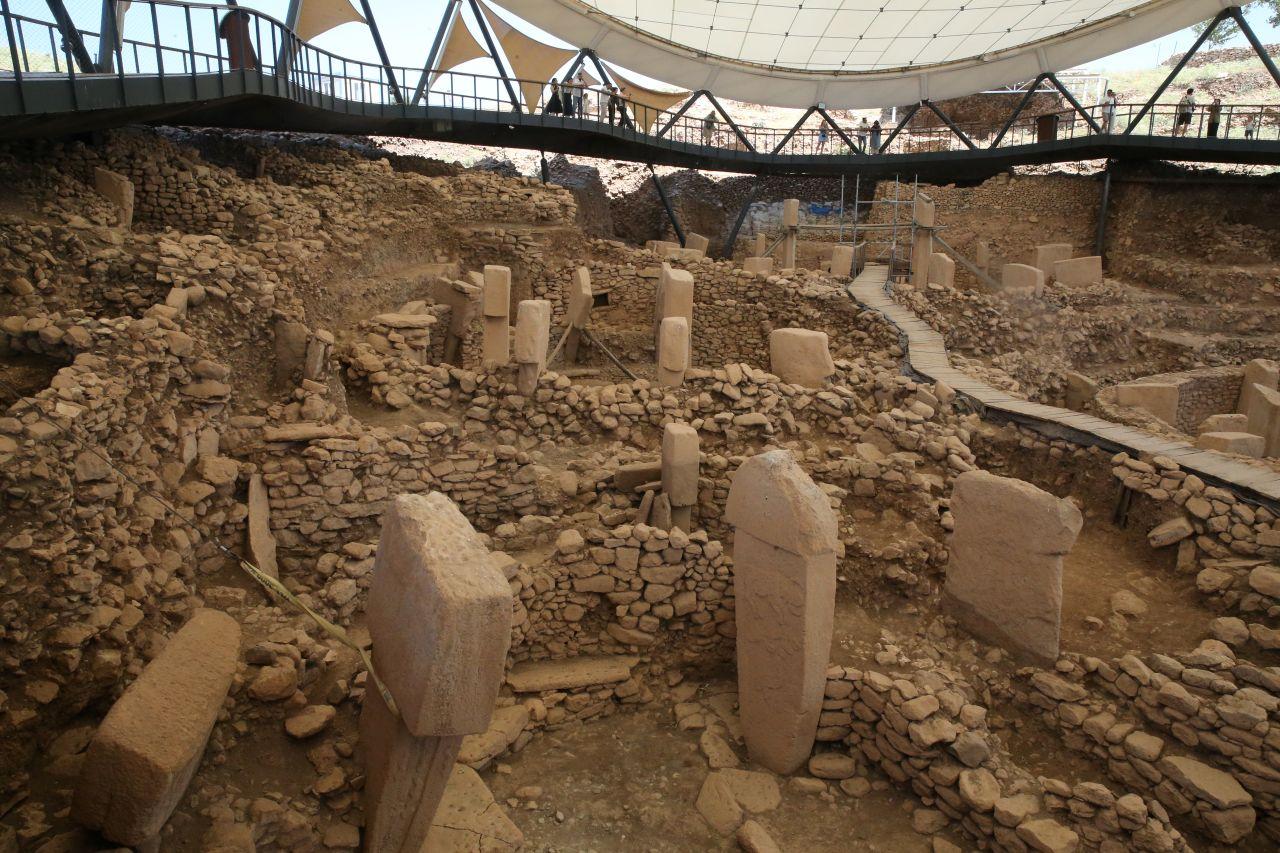
Excavations at Göbeklitepe reveal that agriculture and animal husbandry were not the cause of settled life, but its consequence. The findings show that communities 12,000 years ago were not only surviving, but had also made advances in architecture, technology and art.
This is the zero point of history: Göbeklitepe, located in Türkiye's Şanlıurfa province... Göbeklitepe is changing many things we know about human history. So, why? Let's take a look together...
ABOUT GOBEKLİ TEPE
Göbeklitepe, located near Örencik village, 18 kilometers from the city center, was noticed during surface surveys carried out in 1963. Excavations have been conducted at Göbeklitepe under the auspices of the Ministry of Culture and Tourism since 1995.
The results obtained from excavations at Göbeklitepe, which was included on the UNESCO World Heritage List in 2018, have both attracted the world's attention to the site and revealed findings that will change the writing of history.
THERE ARE MONUMENTAL STRUCTURES
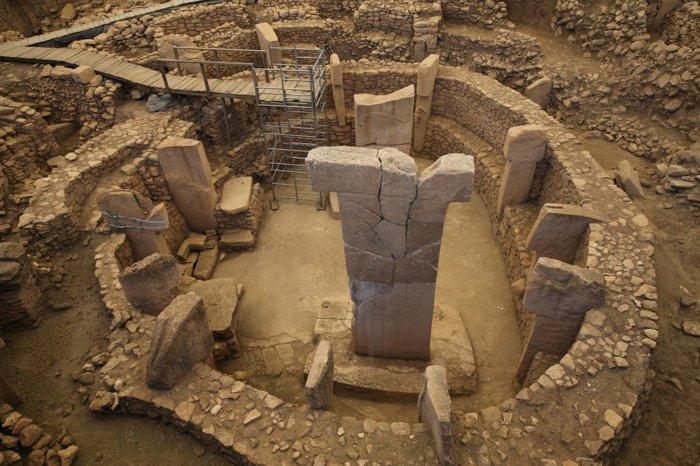
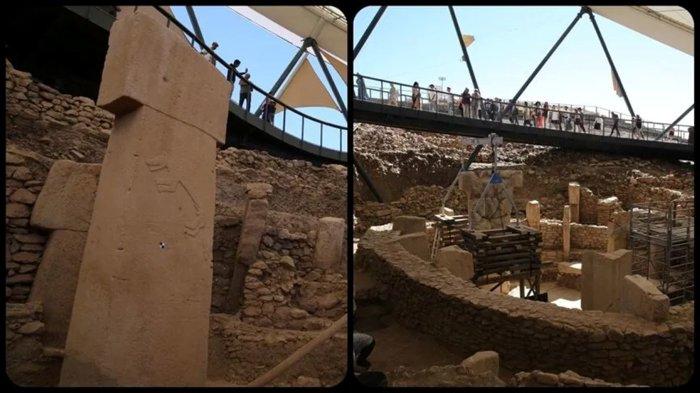
Prof. Dr. Necmi Karul, head of the Göbeklitepe excavations, said in a statement to Anadolu Agency that the excavations, which began in 1995, revealed that Göbeklitepe contains monumental structures from the Neolithic period.
WHEN WAS GOBEKLİ TEPE BUILT?
Karul said that settlement layers reflecting a period of approximately 1,500 years, dating from around 9600 BC to 8200 BC, have been partially uncovered during the excavations, and noted that the presence of monumental structures with communal characteristics here had a major impact on the archaeological community.
Karul said:
"The fact that Göbeklitepe contains communal structures as well as residences where people carried out their daily lives shows that these places were used as settlements, beyond being places related to beliefs where people gathered.
Indeed, when Neolithic research in this region expanded to a wider area with Taş Tepeler in 2021, we encountered similar results. Today, we have uncovered settlements around the Harran Plain where specialized communal structures and residences are found together.
 T-SHAPED STANDING STONES AND SYMBOLS
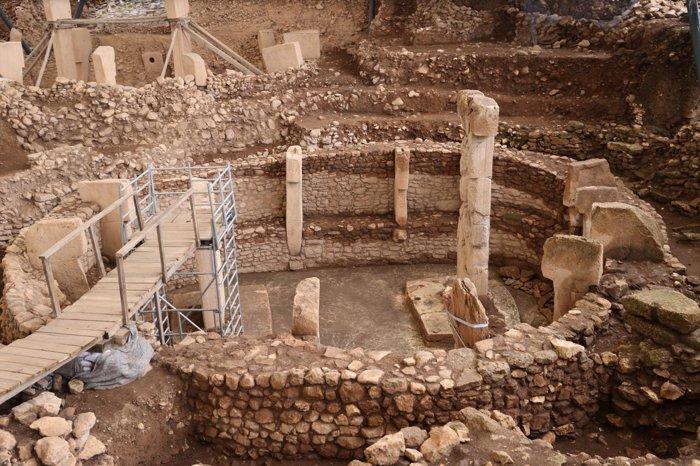
The most important difference of Göbeklitepe among these is that it had a feature that triggered subsequent research into this period. At the forefront of this are the monumental structures here, the T-shaped standing stones within them and, more importantly, the presence of symbols on the T-shaped stones. When we bring all of these together, we can say that they show us how advanced the people 12,000 years ago were in architecture, technology and art."
Agriculture and animal husbandry were not the cause but the consequence of settled life
Karul explained that the information obtained from studies conducted at Göbeklitepe and contemporary sites as part of the Taş Tepeler Project had led to conclusions contrary to previous ideas about life at that time, and that they had seen hunter-gatherer communities adopt a settled way of life.
Karul emphasized that, despite adopting a settled way of life, these communities did not yet have knowledge of agriculture and animal husbandry, and pointed out that at Göbeklitepe, people were seen to make more effective use of the resources in their surroundings along with settled life.
Karul noted that they encountered attempts to cultivate plants and domesticate animals in the later stages of the period and continued:
"We see that immediately after adopting a settled way of life, they began cultivating plants and domesticating animals. Therefore, Göbeklitepe and similar sites hold an important place in the history of archaeology as places where we see the beginning of the process that started with settled life and also the beginning of a productive way of life, which is the most important element at the foundation of today's social order.
WHY IS GOBEKLİ TEPE SO IMPORTANT?
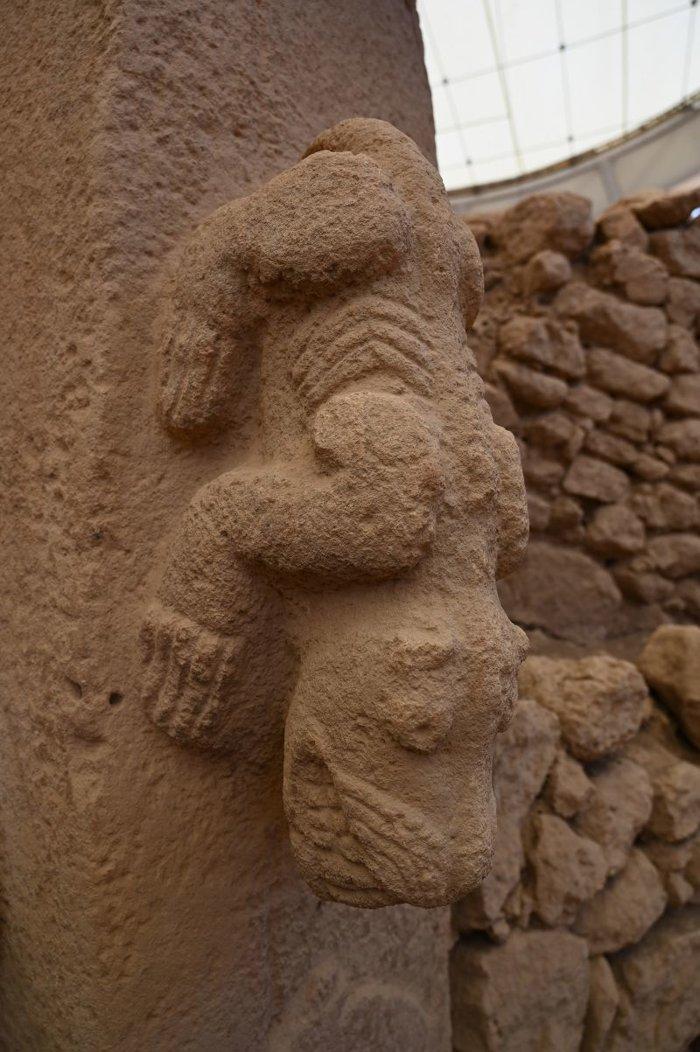
What made Göbeklitepe so important, what attracted the attention of a large part of society and attracted attention on a global scale, was that it almost laid bare how wrong our perspective and perception of the past had been. In other words, it confronted us with this.
If we explain this a little further, we understand that places such as Göbeklitepe have fundamentally changed the perception that societies in the past were primitive and underdeveloped. Modern humans look at the past in an advanced way, and when thinking about the past, because they are at the end of the timeline, they perceive themselves as the most advanced individuals, people and societies compared with the past.
Göbeklitepe showed us that the people who lived here 12,000 years ago were communities capable of building monumental architecture, coming together and forming assemblies within these structures, and carving the standing stones with scenes formed mainly by animal depictions, and making certain mythological stories a part of their lives through these.
When considered in this way, it showed that the people at Göbeklitepe 12,000 years ago had many aspects that were by no means inferior to those of today's society, that they had artists and storytellers, craftsmen who could carve those stories onto these standing stones, and architects and masters of that period who built and designed these buildings. We can say that it also confronted us with how dismissive our current perspective is toward the past."
"It showed how advanced their skills were"
Karul stated that findings from Göbeklitepe and contemporary sites could change the writing of history and provided the following information:
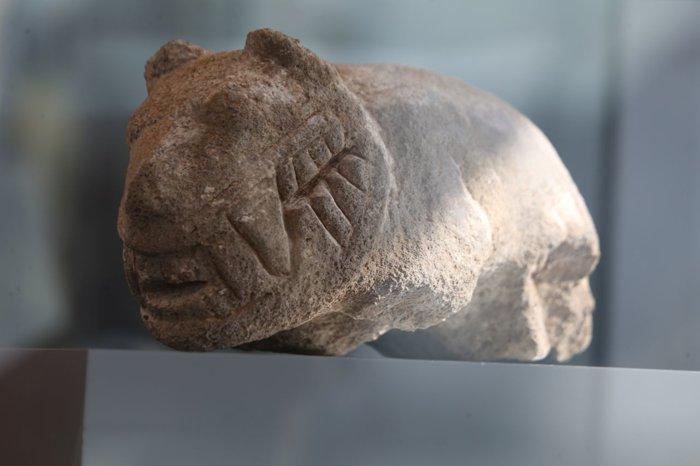
"History books have undoubtedly been changing in almost every part of the world in recent years. In particular, while agriculture and animal husbandry were thought to be the reason for settled life, Göbeklitepe and contemporary sites are among the places showing that the reason for settled life was not agriculture and animal husbandry, but that agriculture and animal husbandry were a result of settlement. When we consider this in terms of the change in knowledge, it is one of the most important developments.
There was also a perception in school textbooks that people 12,000 years ago had lives limited to the struggle for survival. There was a perception that people lived in caves and under difficult conditions. At Göbeklitepe, we can easily say that this was far from reality and that it showed how advanced the skills and achievements of people 12,000 years ago were in every sense, including technology and architecture. From this perspective, it is among the leading archaeological discoveries that have largely corrected the mistakes in the writing of history."
- Popular News -

Has Noah's Ark been found? Here's what we know so far
2,500-year-old discovery at ancient city where Alexander the Great's soldiers settled
190-year-old church known for its wall paintings to open to visitors

WhatsApp introduces optional parental controls for teenagers

Is Turkish coffee healthy? A cardiologist explains the benefits and risks of coffee
Catacombs of Kom el Shoqafa: Hidden underground for centuries, discovered by chance