


2,500-year-old discovery at ancient city where Alexander the Great's soldiers settled
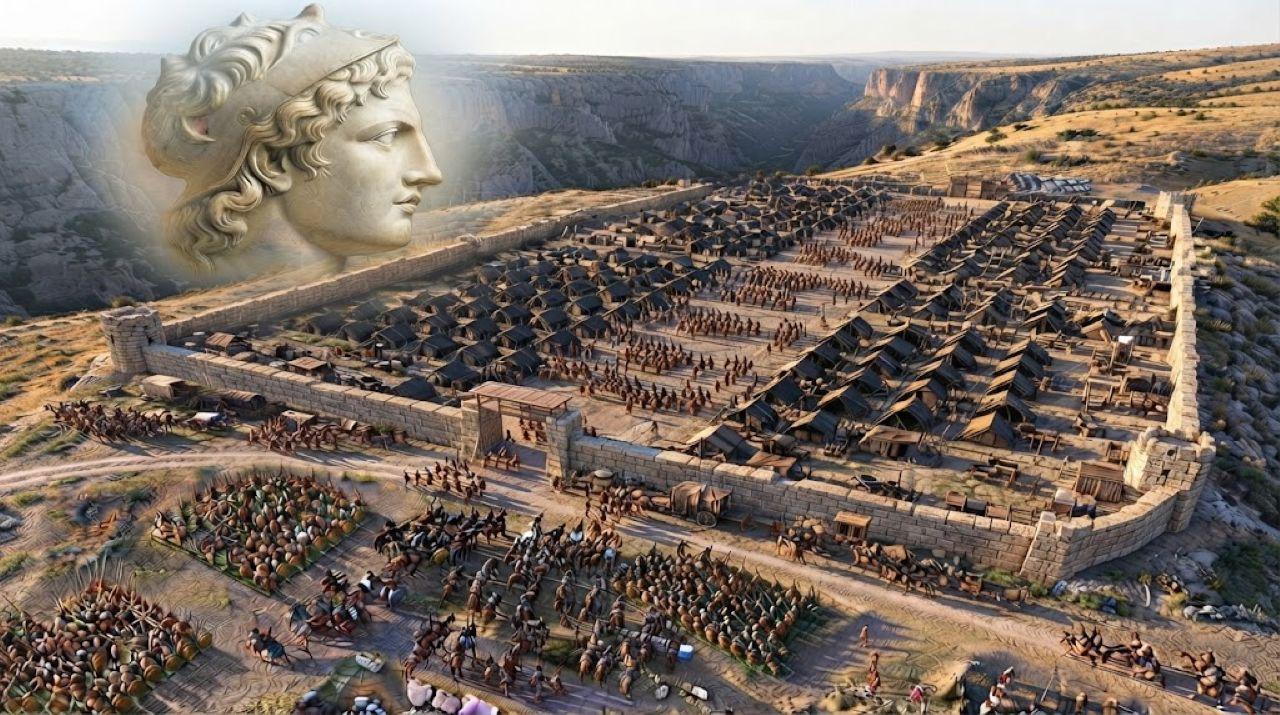
The ancient city of Blaundos in Türkiye, linked to Alexander the Great's campaign in Anatolia and known as a “garrison city,” has revealed a 250-meter-long wall believed to date back around 2,500 years.
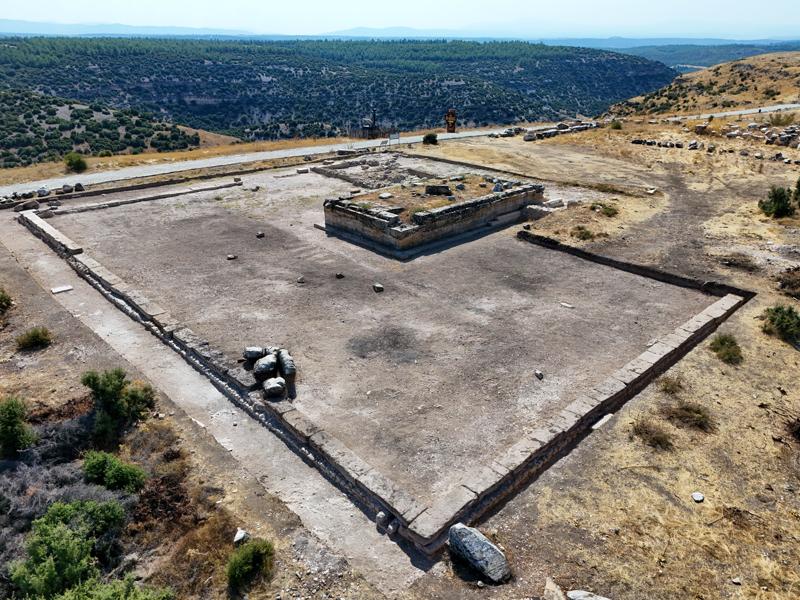
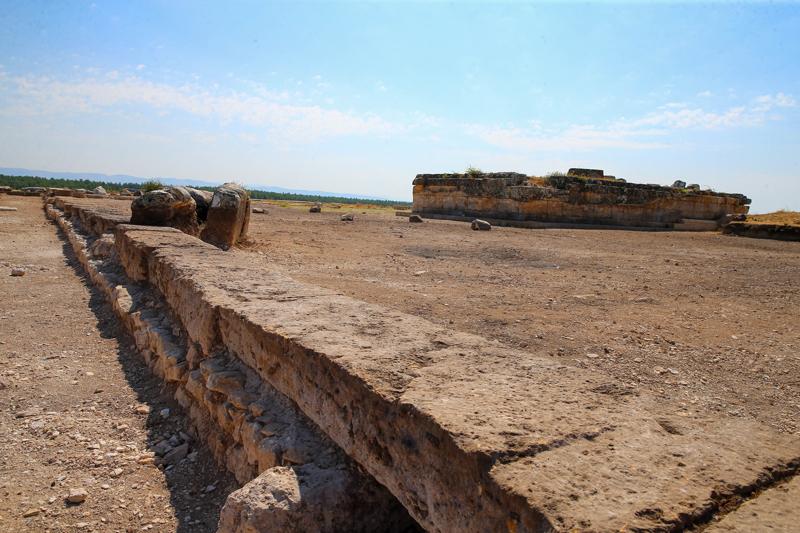
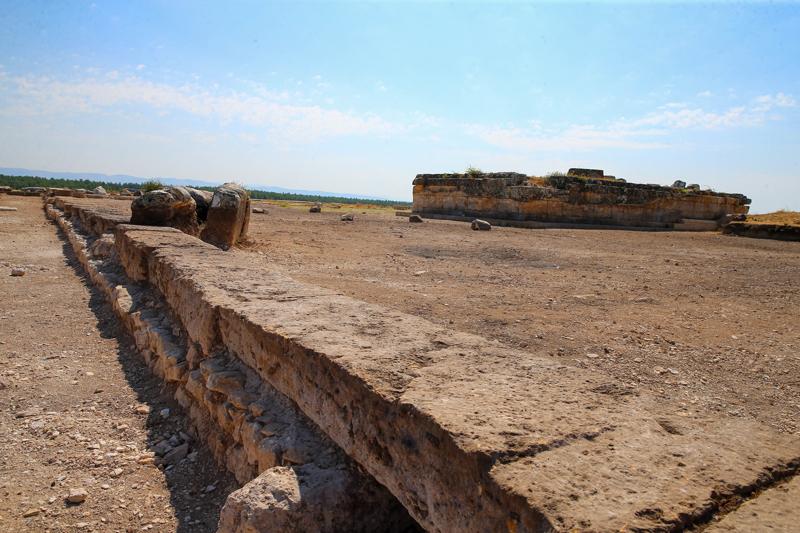
During the archaeological excavations carried out as part of the "Heritage for the Future Project" under the direction of the Uşak Museum Directorate at the Ancient City of Blaundos, located in the Ulubey district of Uşak, a wall approximately 250 meters long, dating back to the Hellenistic period and surrounding the North Temple, has been discovered.
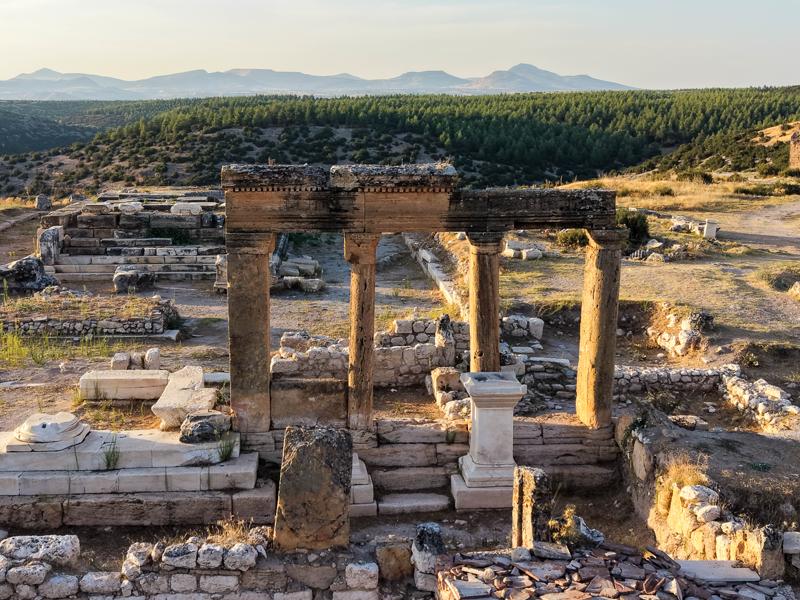
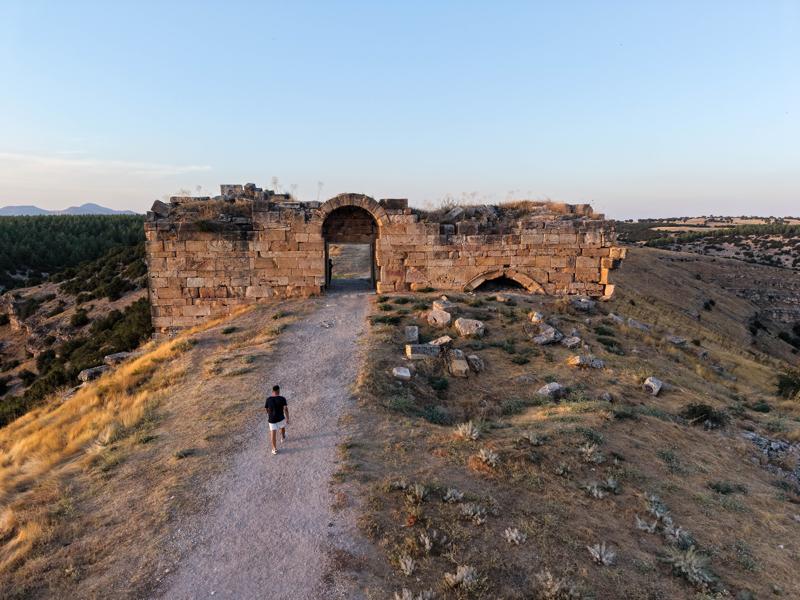
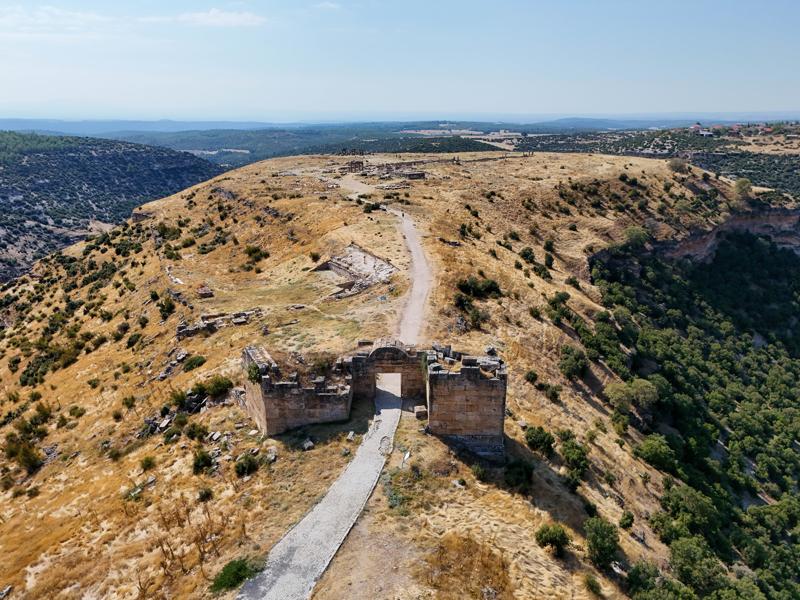
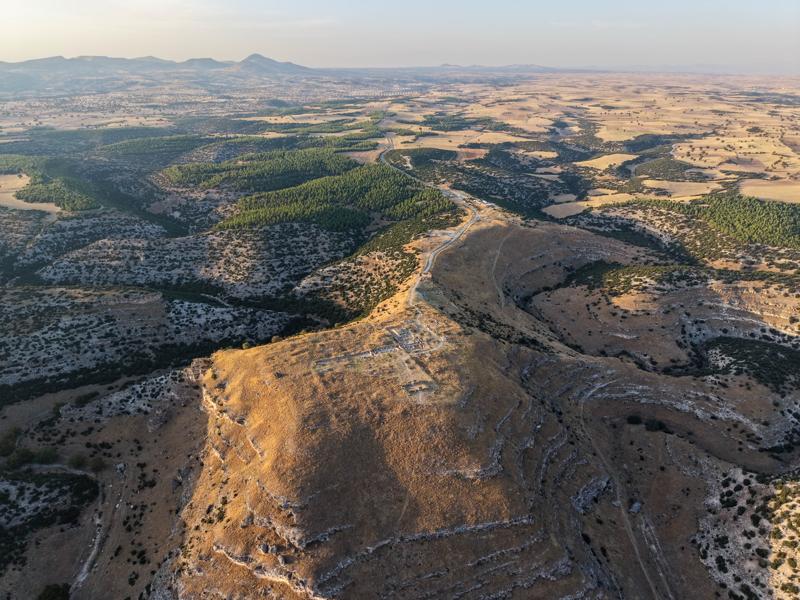
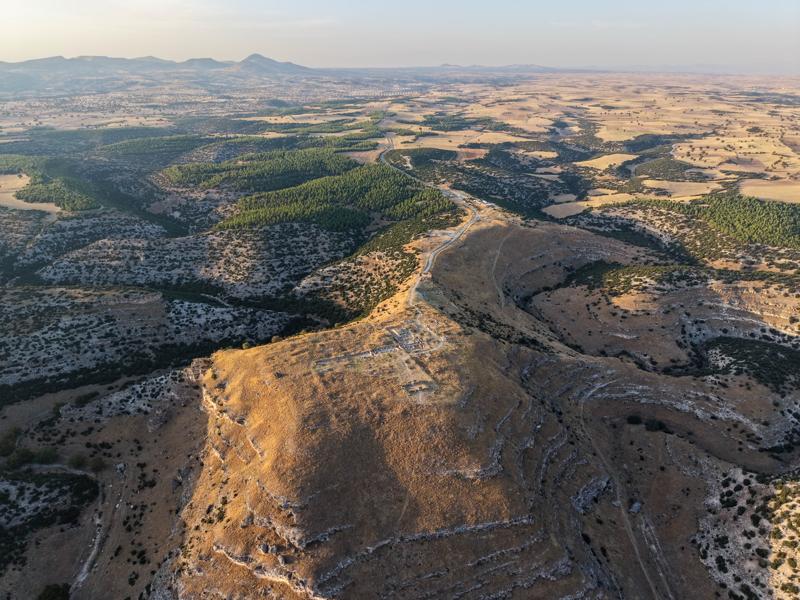
The Ancient City of Blaundos also draws attention with its natural fortress-like appearance, as three sides of it are surrounded by deep valleys formed by the Ulubey Canyon and it has only a single entrance.
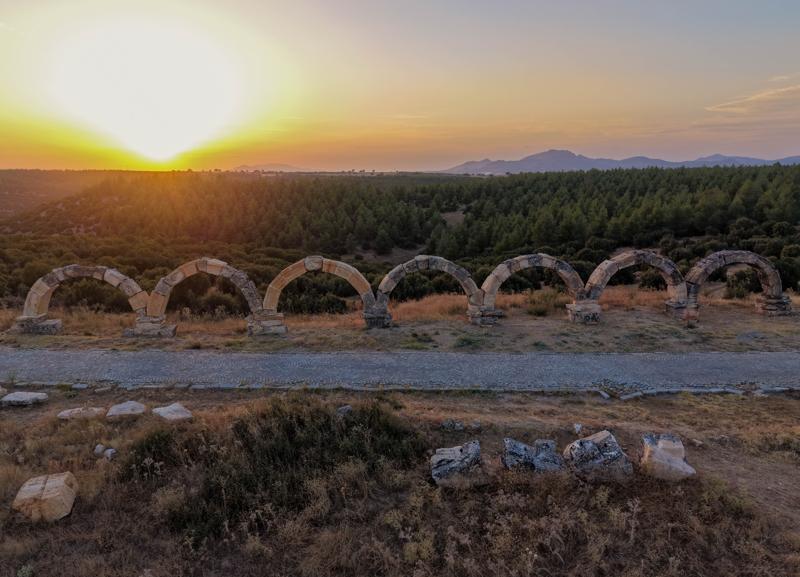
Having been home to many civilizations throughout history, the ancient city first greets visitors with its aqueducts, the restoration of which has been completed, located approximately 500 meters from the main entrance gate.
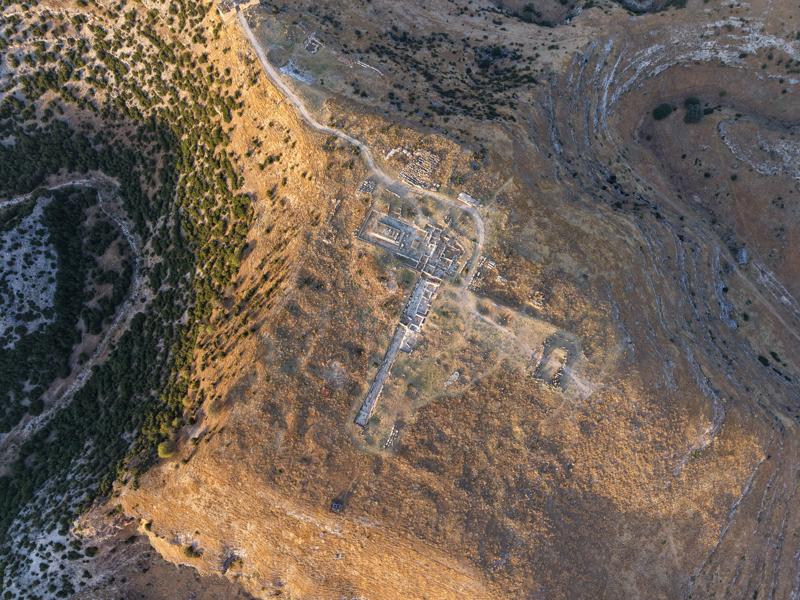
Situated 200 meters from the main entrance gate is the North Temple, which is considered one of the most important structures of the ancient city.
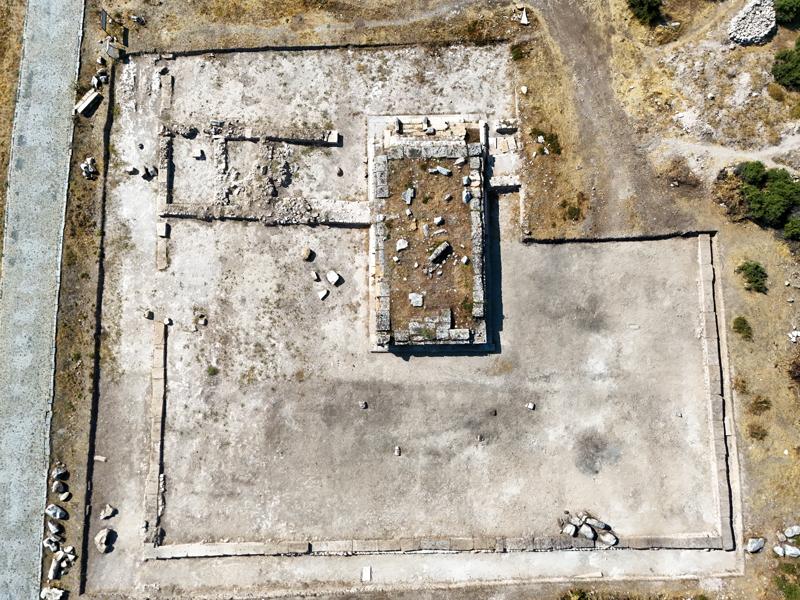
A 2,500-year-old wall surrounds a 1,900-year-old temple
Archaeological excavations at the Ancient City of Blaundos, which started in 2018, are carried out throughout the year under the "Heritage for the Future Project" headed by the Uşak Museum Directorate.
In the archaeological excavations that started last year at the North Temple and continue this year, a large portion of the temple's foundation has been brought to light.
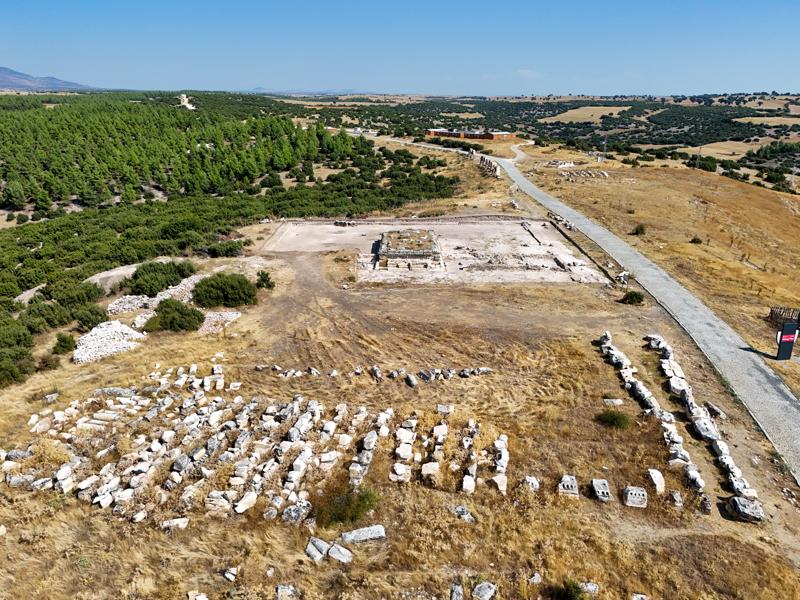
İlhan Çavuş, Director of the Uşak Museum and Head of the Blaundos Ancient City Excavation, told the AA correspondent that they carried out the work in the area surrounding the temple known as the temenos, which is closed to civilian use.
Stating that this section was built for priests, Çavuş said that during the excavation work, they reached the remains of walls older than the temple that surrounded the sacred area.
Stating that although the North Temple is 1,900 years old, they date the wall to a much earlier period, Çavuş said:
"This year, we concentrated our excavation work at the North Temple at the entrance to the city. One of the most important aspects here is the temenos (sacred area) wall located in the outermost area of the temple. We uncovered the 250-meter-long temenos wall built approximately 2,500 years ago.
Water lines and Roman coins also uncovered
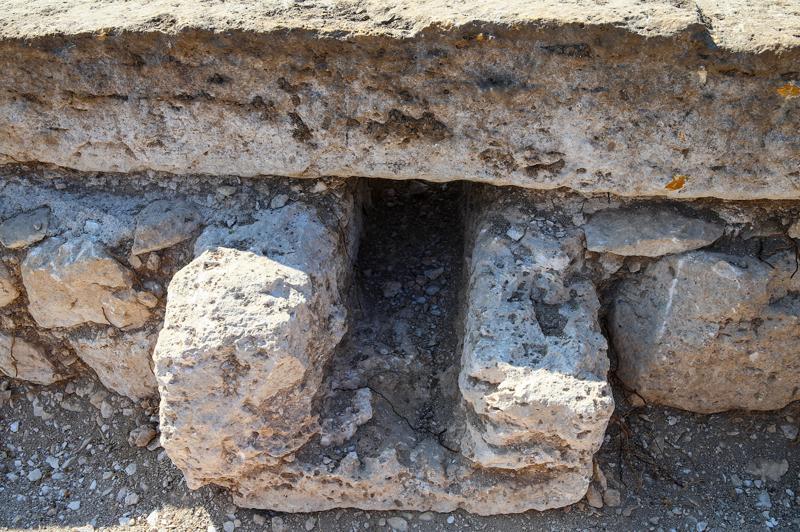
At the same time, we uncovered the water lines providing water to the temple inside the temenos wall. Along with this, we found coins dating to the Roman period in the temple area. This shows us that the citizens who laid foundations and made votive offerings at the temple at that time offered their wishes together with coins, with money."
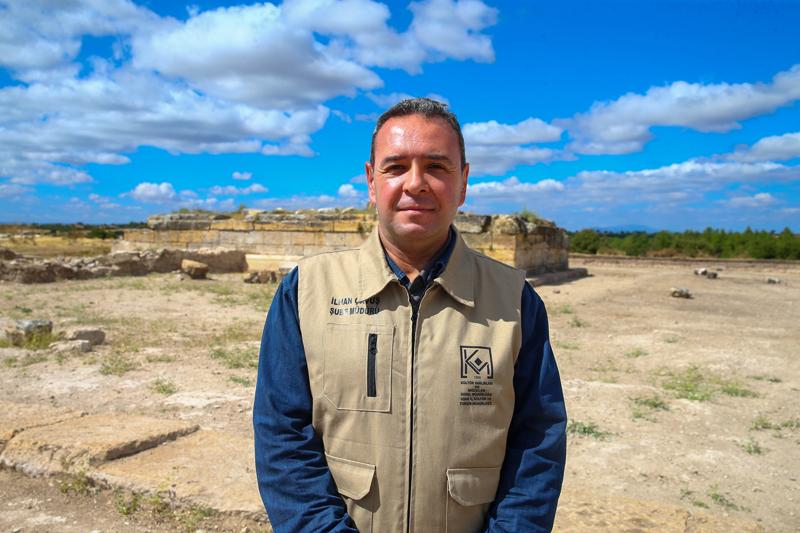
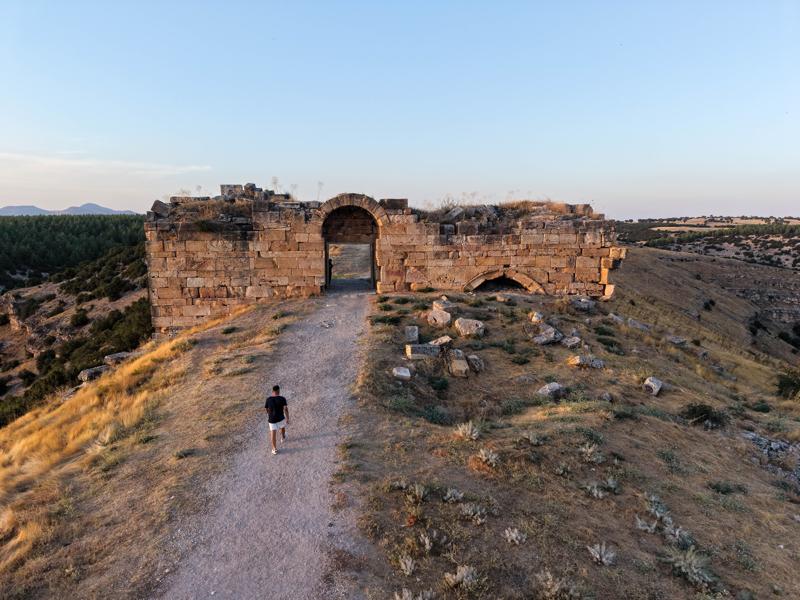
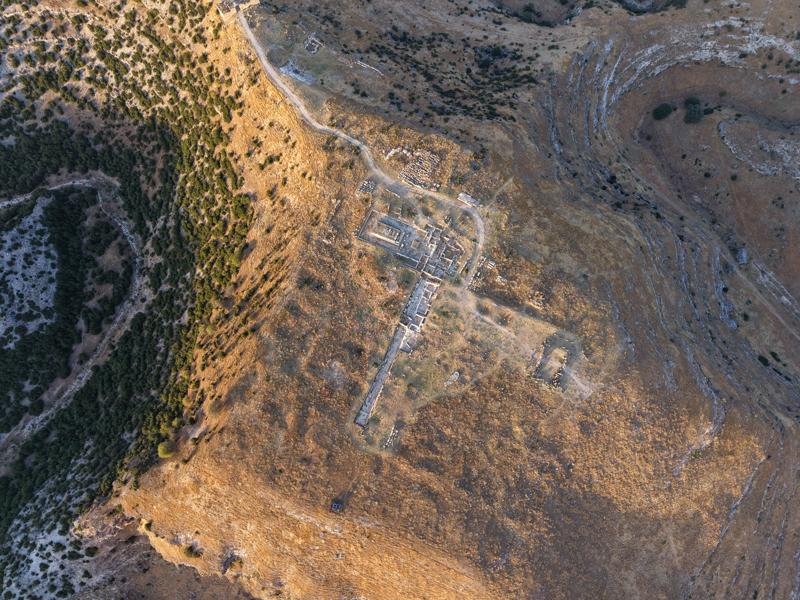
"At the same time, we carried out our work, progressing from the base of the sacred area, which we call the temenos area, up to the front area, which we call the naos. Actually, if you look at it, the temenos wall is a wall that separates the social area from the sacred area. Everything inside the temenos area was sacred. All entities found in the temenos area were regarded as the property of the god or goddess and were attributed with sanctity."
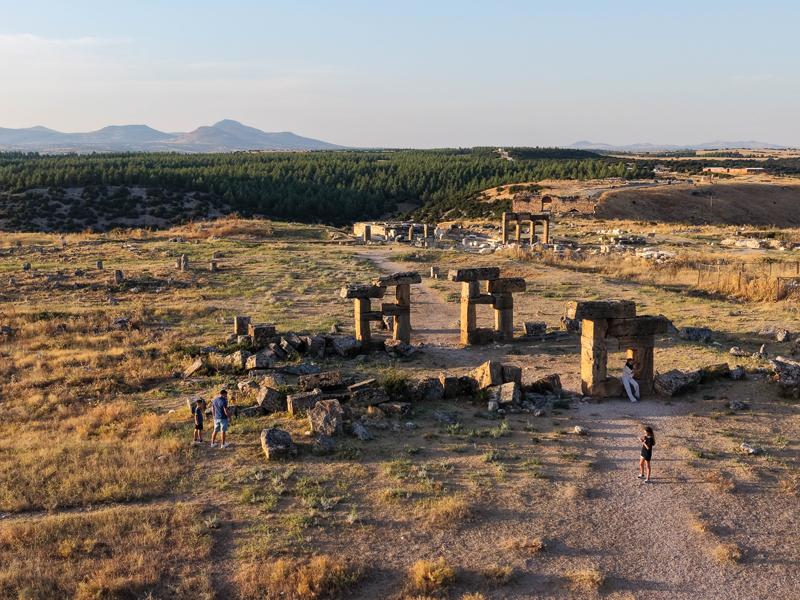
Excavations at Blaundos have continued since 2018
Yavuz Çakar, the Provincial Director of Culture and Tourism, stated that the ancient city hosts approximately 350,000 domestic and foreign tourists every year and that, in this respect, the work being carried out at the Ancient City of Blaundos is important in terms of tourism.
- Popular News -

Has Noah's Ark been found? Here's what we know so far
190-year-old church known for its wall paintings to open to visitors

WhatsApp introduces optional parental controls for teenagers

Is Turkish coffee healthy? A cardiologist explains the benefits and risks of coffee
Catacombs of Kom el Shoqafa: Hidden underground for centuries, discovered by chance
Popular museums and heritage sites in Türkiye in 2025