



What is behind this eerie wolf appearance?
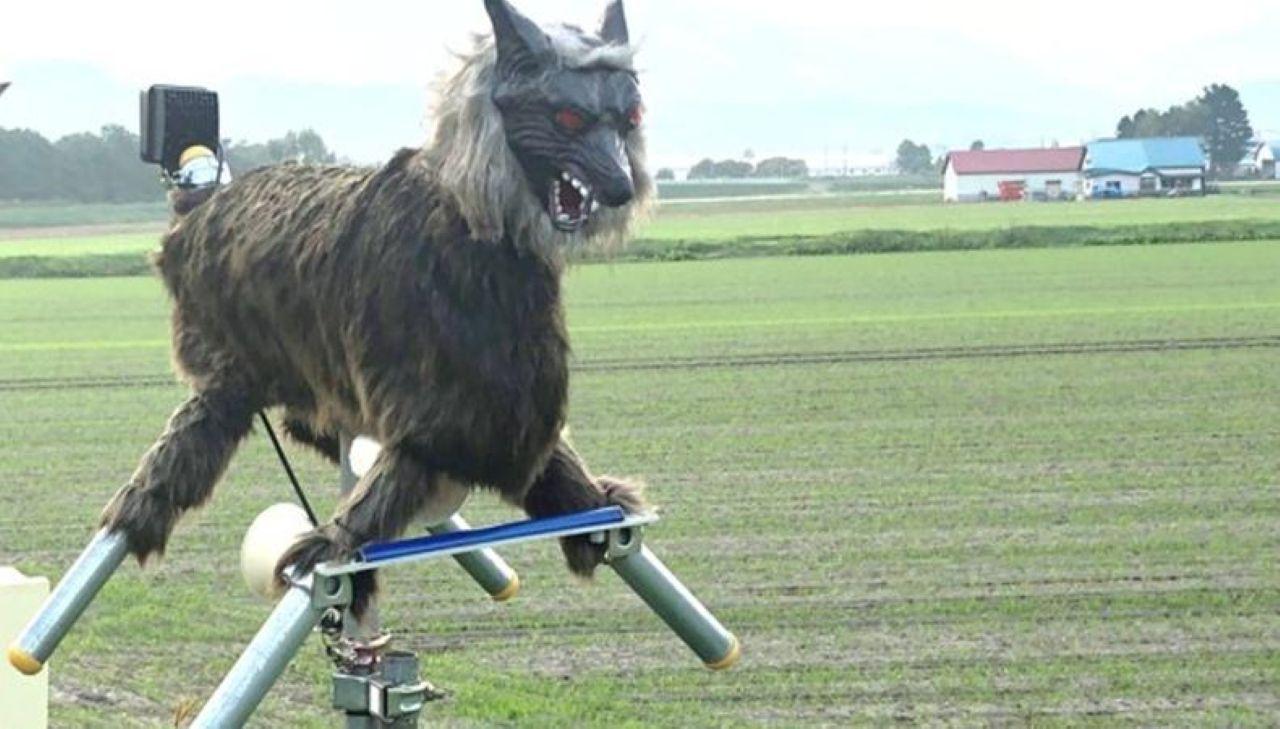
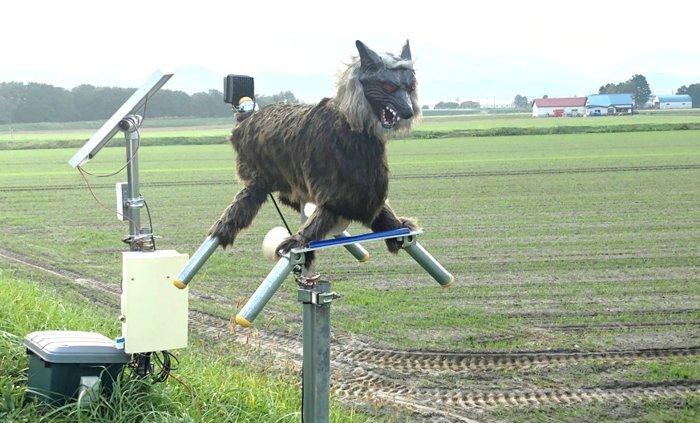
At first glance, it resembles a terrifying wolf. Its red eyes flash, it moves its head from side to side, and it deters approaching animals with loud noises. However, the purpose of this unusual device is not to create a horror movie scene, as one might think. Named "Monster Wolf," the system was developed to keep wild animals away from humans and agricultural areas.
With bear encounters in Japan reaching record levels, this robotic wolf, developed years ago, has once again taken center stage in the news. The surge in orders received by manufacturing firm Ohta Seiki in 2026, surpassing the number of orders typically received in an entire year, highlights the scale of interest in the device. Due to the surging demand, the company is asking customers to wait 2 to 3 months.
The working principle of the Monster Wolf is quite simple, yet its appearance is striking.
The device was developed based on the natural behavior of wild animals staying away from their natural predators. Mimicking the appearance of a real wolf, the system aims to deter animals by creating the perception that a predator is present in the area.
An infrared sensor can trigger the system when it detects a nearby animal. Following this, the red LED eyes flash, lights on the feet and tail activate, and a moving neck mechanism gives the wolf a lifelike appearance.
However, the device's most important weapon is its sound.
The Monster Wolf features more than 50 different threatening sounds. Along with wolf howls, dog sounds, human voices, and other threat noises can also be utilized. Because the sounds are selected randomly, it aims to prevent animals from getting used to a single noise.
The manufacturer states that the sound can reach up to approximately 1 kilometer.
WHY HAS INTEREST SURGED IN JAPAN?
The reason for this is the rapidly growing bear problem in the country.
According to preliminary data from Japan's Ministry of the Environment, 50,776 Asian black bear sightings were recorded nationwide in 2025. This figure is about 150 percent higher than the 20,513 sightings in 2024.
Bear attacks in the country have also reached record levels, with 216 attacks reported in 2025.
Experts note that the depletion of natural food sources for bears, such as acorns, is one of the factors pushing the animals to move closer to human settlements in search of food.
The Monster Wolf is actually not a newly developed device specifically for bears.
The system was initially developed to reduce agricultural damage caused by wild animals such as deer and wild boars. However, the rise in bear encounters in Japan has placed the device at the center of a new field of application.
DRONES ARE ALSO BEING USED
Japan's struggle with the bear problem is not limited to robot wolves alone.
AI-powered cameras and drones have also begun to be deployed across the country to detect and track bears. Drones, in particular, are rapidly launched when a bear is spotted to track the animal's location and monitor its movements until response teams arrive.
- Popular News -

Has Noah's Ark been found? Here's what we know so far

2,500-year-old discovery at ancient city where Alexander the Great's soldiers settled

190-year-old church known for its wall paintings to open to visitors

WhatsApp introduces optional parental controls for teenagers

Is Turkish coffee healthy? A cardiologist explains the benefits and risks of coffee

Catacombs of Kom el Shoqafa: Hidden underground for centuries, discovered by chance