


This is the fortress where Caesar said, ‘Veni, vidi, vici'
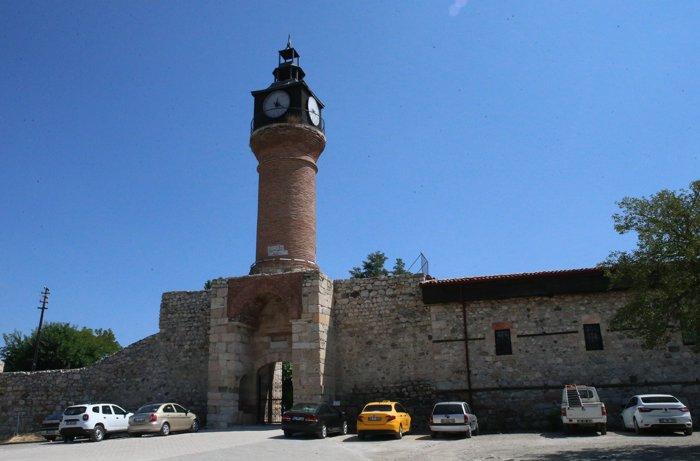
Zile Castle in Tokat Province, Türkiye, stands out for its thousands of years of history and its connection to Julius Caesar's famous phrase, “Veni, vidi, vici” (I came, I saw, I conquered).
Built on an ancient mound in the center of Zile, the castle bears traces of several civilizations that once ruled the region.
Also known as "Caesar's Castle," the site features a Roman-era theater carved into the rocks to the northeast of the fortress.
Kurtuluş Uygun, Museum Officer at Zile Municipality, says the history of Zile Castle dates back approximately 7,000 years. According to Uygun, the castle stands on an approximately 80-meter-high elevation created by leveling and filling soil over the natural bedrock.
The castle is closely associated with the Battle of Zela, in which Julius Caesar defeated Pharnaces II, King of Pontus, in 47 BC. Uygun says the battle took place in Zile and that Caesar used the phrase "Veni, vidi, vici" in a message sent to Rome following his victory.
Uygun says Caesar announced his victory with this short phrase following the Battle of Zela, describing it as one of the most famous expressions to have survived from antiquity to the present day.
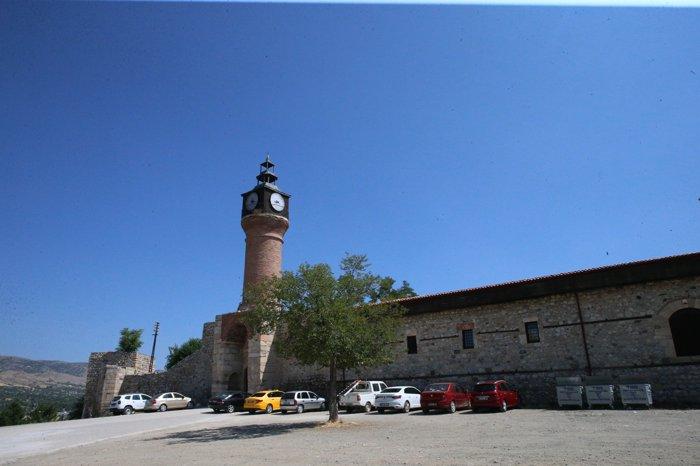
The castle welcomes visitors with its walls, towers, dungeon and clock tower, as well as its Roman-era theater.
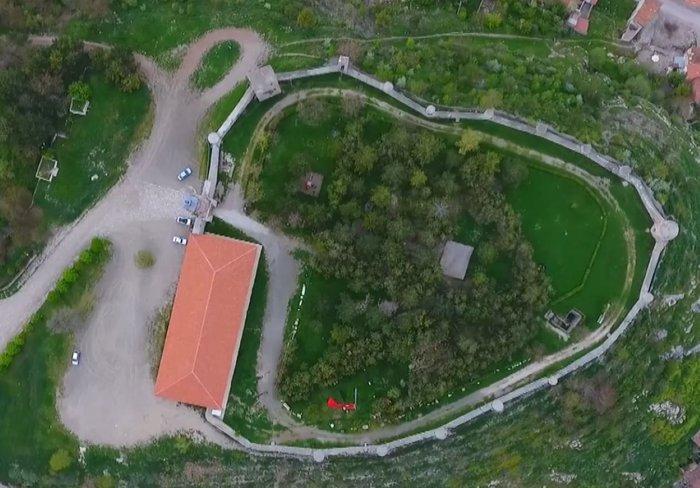
Rising above the surrounding area, the castle offers panoramic views of the historic town and remains one of Zile's most important cultural heritage sites.
About the Battle of Zela
The Battle of Zela took place in 47 BC near present-day Zile, in Tokat Province, Türkiye, between Roman leader Julius Caesar and Pharnaces II, King of Pontus. Caesar came to the region to halt Pharnaces' advance in Anatolia and achieved a decisive victory in a short time. According to ancient sources, Pharnaces' army suffered a heavy defeat, while the king fled the battlefield.
The phrase "Veni, vidi, vici" ("I came, I saw, I conquered"), attributed to Caesar to emphasize the extraordinary speed of his victory, also became closely associated with the battle.
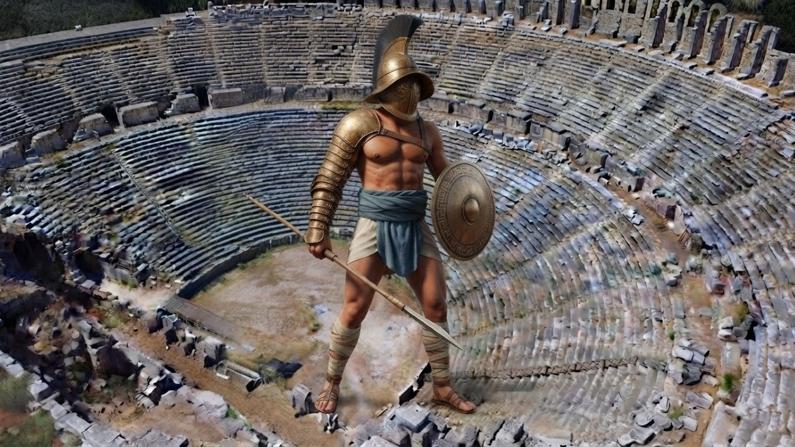
Gladiator battles once took place here
In the Spotlight with The Odyssey: Was It Written in This Cave?
11,000-Year-Old Leopard Rider Discovered at Karahantepe
- Popular News -
Has Noah's Ark been found? Here's what we know so far
2,500-year-old discovery at ancient city where Alexander the Great's soldiers settled
190-year-old church known for its wall paintings to open to visitors

WhatsApp introduces optional parental controls for teenagers

Is Turkish coffee healthy? A cardiologist explains the benefits and risks of coffee
Catacombs of Kom el Shoqafa: Hidden underground for centuries, discovered by chance