



This fortified city looks like this from the air
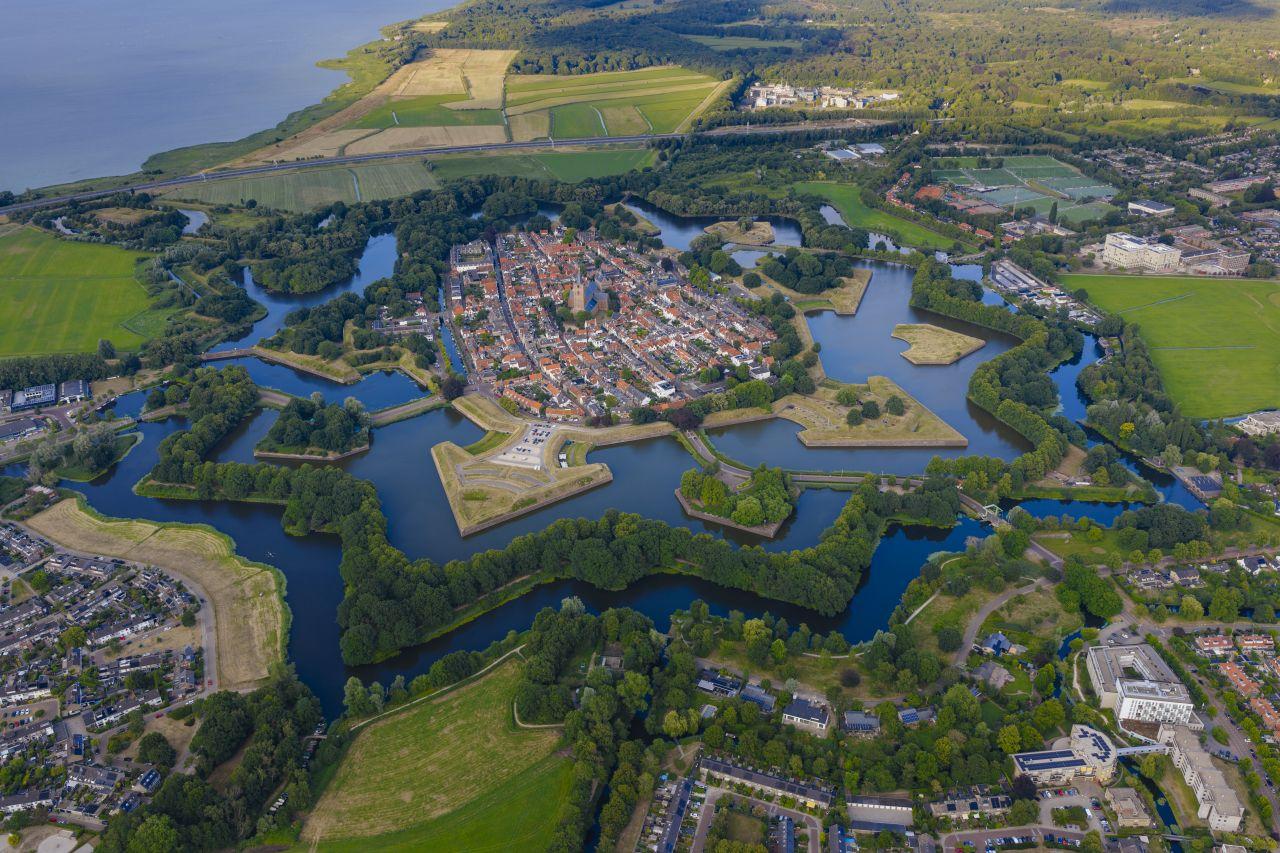
Naarden, one of the best-preserved historic towns in the Netherlands, is among Europe's most remarkable fortified cities, with its star-shaped walls and moat system.
Having preserved much of its original character from the 17th century to the present day, the city takes visitors on a journey through time with its cobblestone streets, historic houses and tranquil atmosphere. Considered one of the finest examples of defensive architecture, Naarden combines a symmetrical urban plan and historic character with both cultural heritage and military engineering.
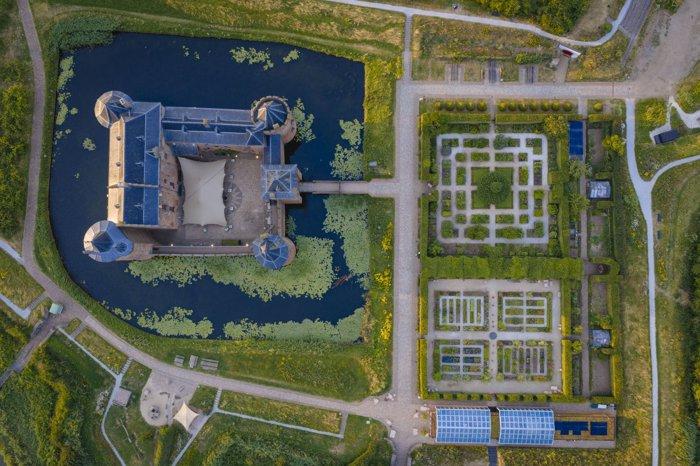
Although Naarden's history dates back to the Middle Ages, the star-shaped fortifications that define the city today were redesigned in the late 16th century as firearms became increasingly decisive on the battlefield. As traditional high walls proved inadequate against cannons, the star-shaped layout was developed to ensure that every part of the fortress could be protected by crossfire, significantly strengthening its defensive capabilities.
Water was also used as a weapon in defense
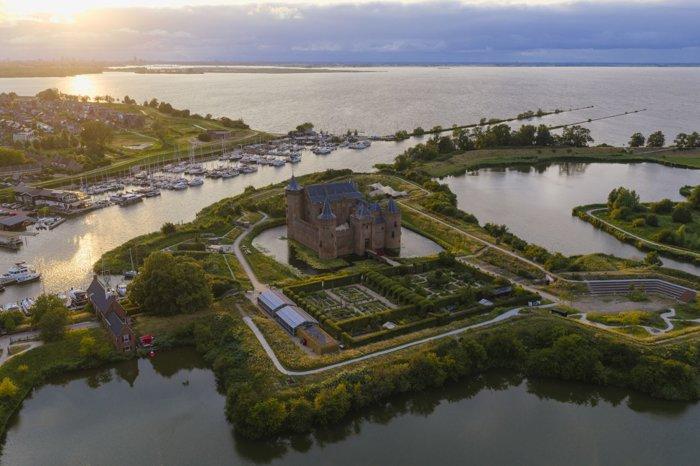
One of Naarden's most striking features is that it is not only protected by thick fortifications but is also part of the water management system developed by the Netherlands over centuries. In later periods, the city became an important point in the defensive network created to protect the country's administrative and economic center.
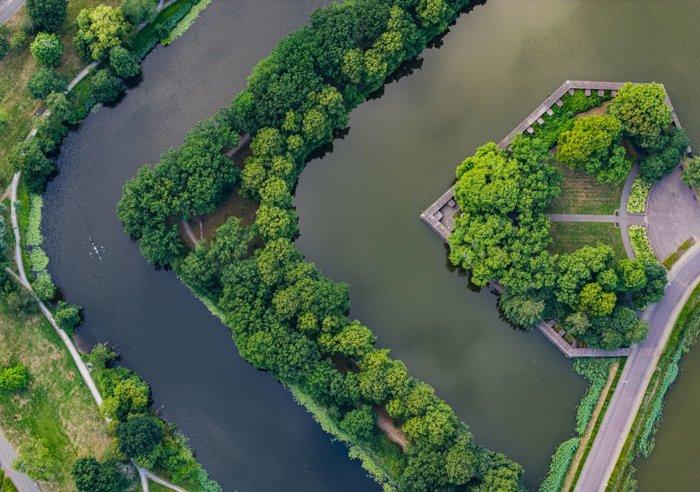
Listed as a UNESCO World Heritage Site, the Dutch Water Defence Lines stand out as a defensive system stretching approximately 200 kilometers and developed between 1815 and 1940. The system consisted of 96 forts, dikes, canals, sluices, pumping stations and controlled inundation areas.
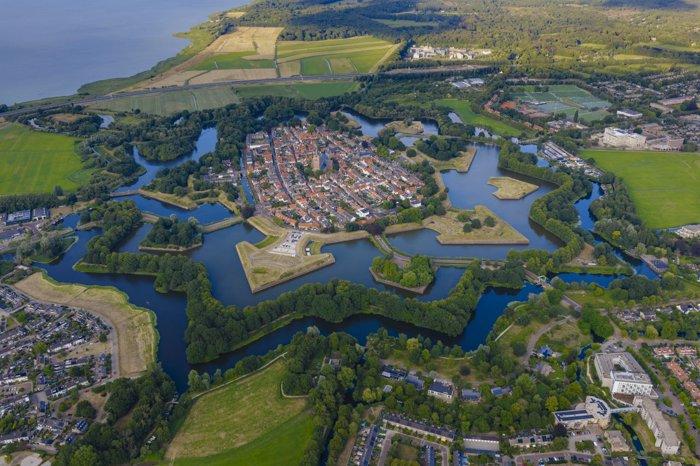
In times of war, sluices were opened to deliberately flood large agricultural areas, with the aim of preventing advancing troops from moving forward.
The system's effectiveness depended on precise control of the water level. The water was kept deep enough to prevent soldiers from walking through it, yet shallow enough to prevent boats from navigating it. In this way, it created a natural but highly effective defensive barrier against infantry as well as artillery and cavalry units.
- Popular News -

Has Noah's Ark been found? Here's what we know so far
2,500-year-old discovery at ancient city where Alexander the Great's soldiers settled
190-year-old church known for its wall paintings to open to visitors

WhatsApp introduces optional parental controls for teenagers

Is Turkish coffee healthy? A cardiologist explains the benefits and risks of coffee
Catacombs of Kom el Shoqafa: Hidden underground for centuries, discovered by chance