



The Hittites, Egypt, and the Treaty of Kadesh: Another lost piece of history found
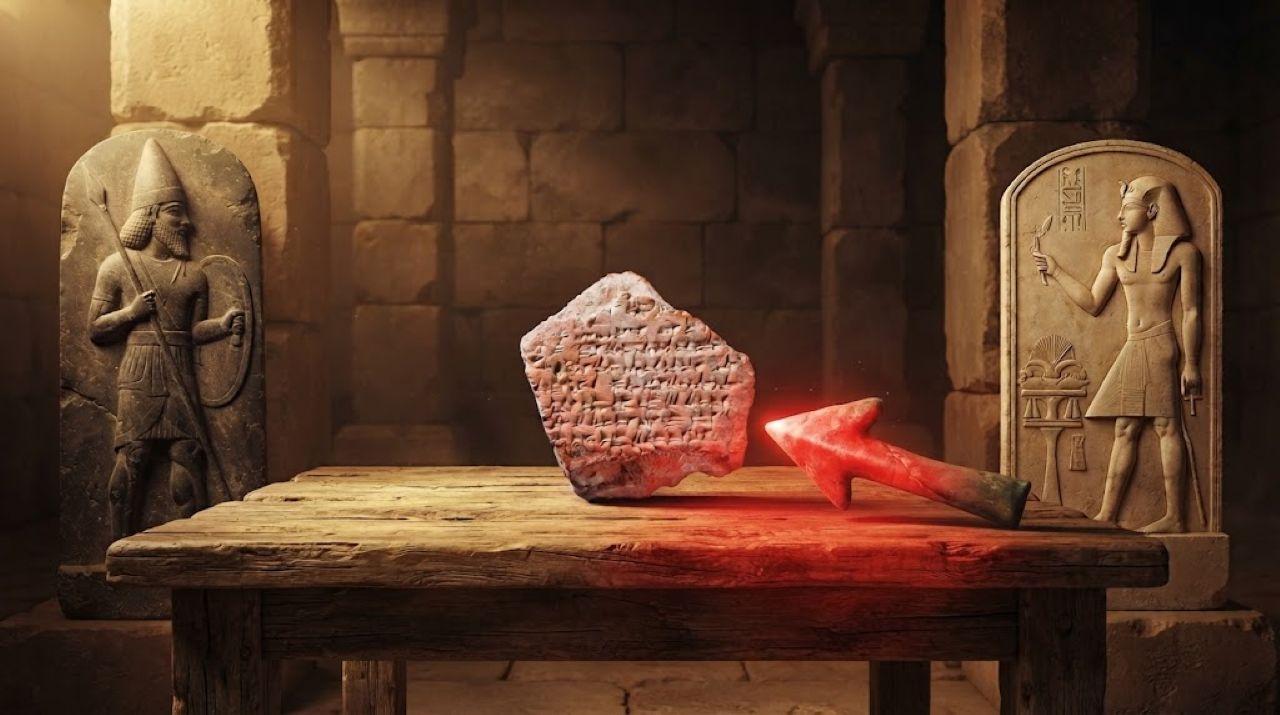
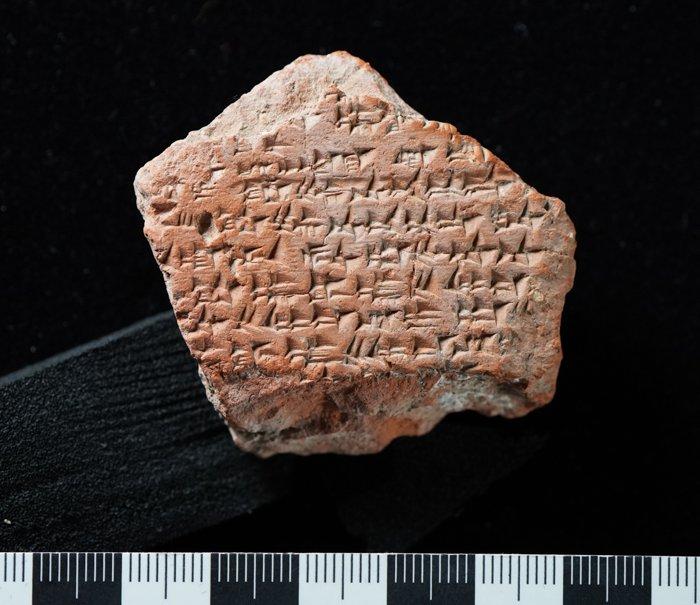
A new cuneiform tablet fragment belonging to the Treaty of Kadesh, signed between the Hittite Empire and Egypt—the two great powers of the ancient world—has been unearthed. Found during excavations at the Boğazköy/Hattusha Archaeological Site in Boğazkale, Çorum, Türkiye, the artifact adds new insights into one of the most significant documents in the history of world diplomacy.
Following the power struggle between the Hittites and Egypt in the 13th century BC, a peace process began between the two states. The Treaty of Kadesh was signed during the reigns of Hittite King Hattusili III and Egyptian Pharaoh Ramesses II and is regarded as the first known written peace treaty in history.
Scientific examinations determined that the newly discovered tablet fragment belongs to the obverse of one of the Akkadian cuneiform copies of the Treaty of Kadesh.
Discovered at Büyükkale, where the royal palace was located in Hattusha, the capital of the Hittite Empire at the time, the fragment contributes to ongoing efforts to complete the surviving text of the treaty.
Minister of Culture and Tourism Mehmet Nuri Ersoy announced the discovery on the occasion of World Peace Day on September 21, describing it with the words, "We have found the trace of thousands of years of peace in the soil of Anatolia."
Provisions regarding people who fled and sought refuge
Examined by experts for approximately a year, the tablet fragment contains lines belonging to provisions addressed in Articles 12 through 20 of the Treaty of Kadesh.
The new finding includes lines from provisions regulating the treatment of people who fled from the territories of the two parties and sought refuge in the other country, as addressed in Articles 12–20 of the treaty.
While the legible portions of the text contain broken and missing sections and mention people fleeing from the lands of Egypt and Hatti, they also contain references to the non-destruction of homes.
Completing the missing pieces of the Treaty of Kadesh
The Egyptian-language text of the Treaty of Kadesh was inscribed in hieroglyphs on temple walls in Egypt. Meanwhile, clay tablet fragments belonging to the Akkadian text of the treaty were uncovered in Hattusha during the initial excavations carried out between 1906 and 1912.
Previously discovered fragments are held in the collections of the Istanbul Archaeological Museums, the Museum of Anatolian Civilizations, the Vorderasiatisches Museum (Museum of the Ancient Near East) in Berlin, and the State Hermitage Museum in St. Petersburg.
The newly discovered fragment in Hattusha contributes to efforts to complete the Akkadian clay-tablet copies of the treaty. Excavations at Büyükkale are also aimed at uncovering other missing fragments of the treaty.
- Popular News -

Has Noah's Ark been found? Here's what we know so far
2,500-year-old discovery at ancient city where Alexander the Great's soldiers settled
190-year-old church known for its wall paintings to open to visitors

WhatsApp introduces optional parental controls for teenagers

Is Turkish coffee healthy? A cardiologist explains the benefits and risks of coffee
Catacombs of Kom el Shoqafa: Hidden underground for centuries, discovered by chance