


Gladiator battles once took place here
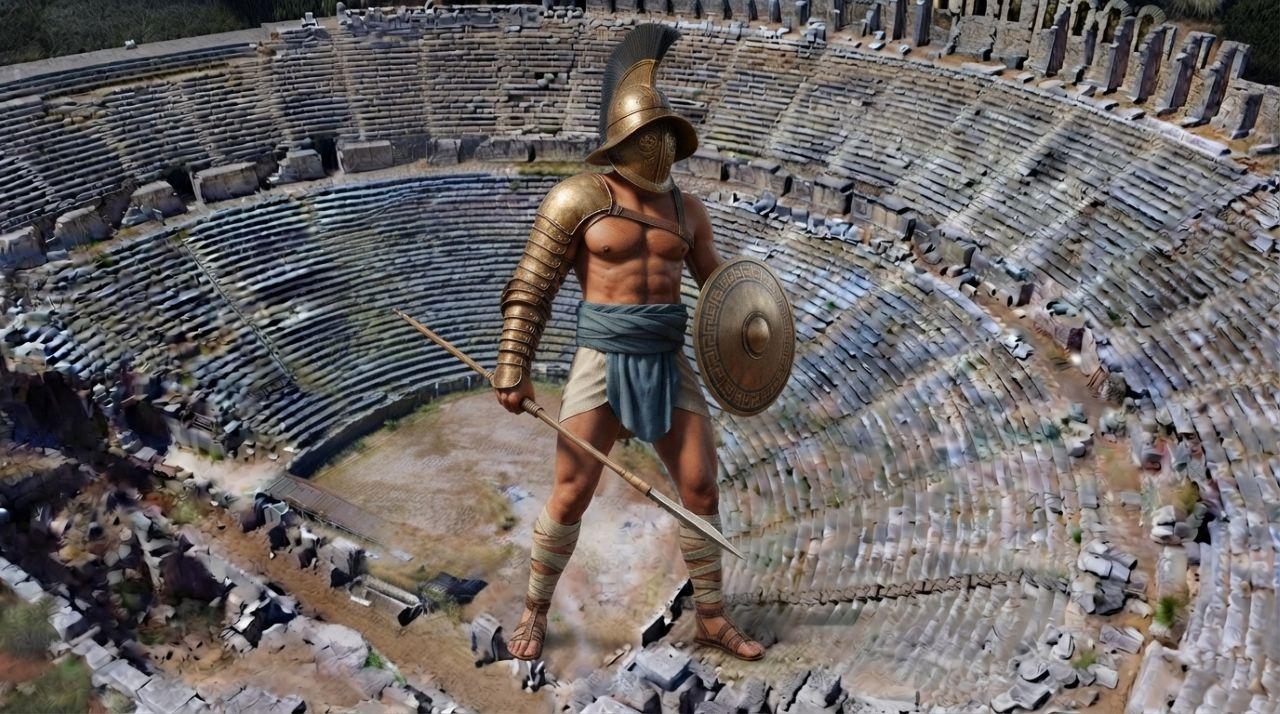
Once echoing with the fierce clashes of gladiators and the weighty debates of ancient councils, Antalya's millennia-old amphitheaters now stand as breathtaking cultural stages, welcoming travelers from across the globe.
The ancient theaters scattered across Türkiye's Antalya province — once venues for gladiator battles, dramatic performances, and civic assemblies — continue to draw visitors as enduring symbols of Anatolia's rich cultural heritage.
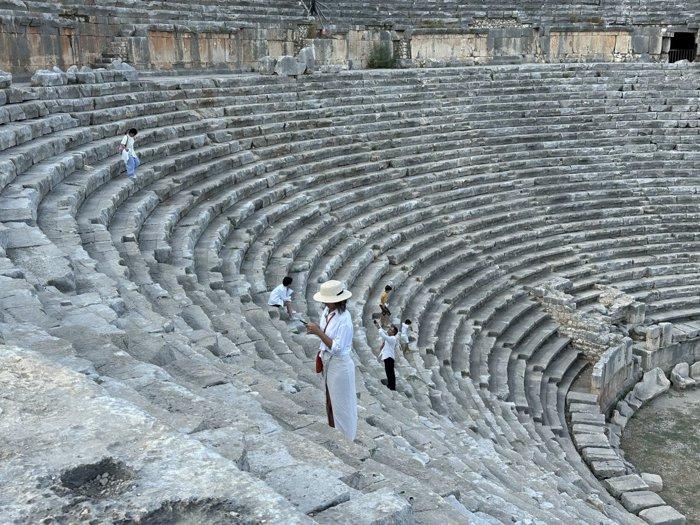
The Mediterranean province, one of Türkiye's top cultural tourism destinations, draws millions of visitors each year with its blend of natural beauty and deep historical roots. Dozens of ancient cities from the Lycia, Pamphylia, and Pisidia civilizations remain major attractions for tourists and archaeology enthusiasts.
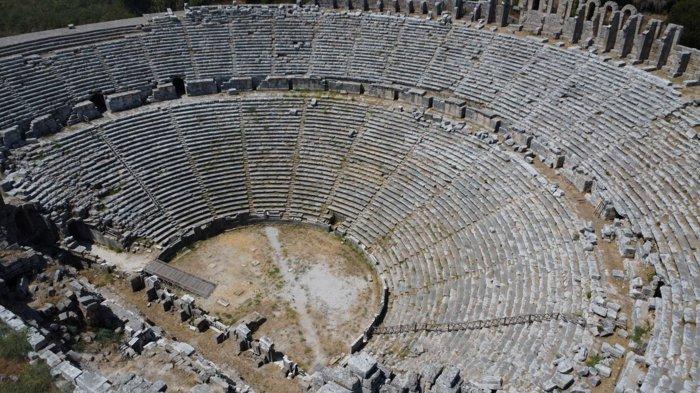
Among their most striking structures are Hellenistic- and Roman-era theaters, many of which have survived for millennia and today host cultural events and sightseeing tours.
During the Roman period, theaters hosted not only classical plays but also spectacles such as gladiatorial contests and fights between humans and wild animals. In some theaters, even naval battles were reenacted. These spectacles also led to architectural modifications being made to theaters to meet the needs of the period.
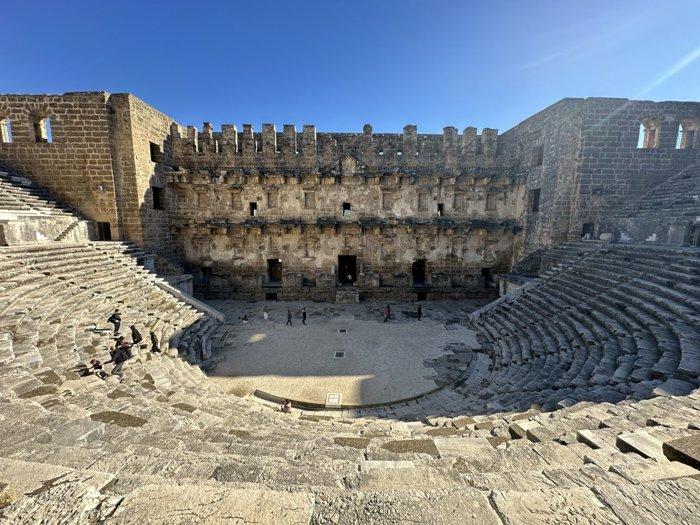
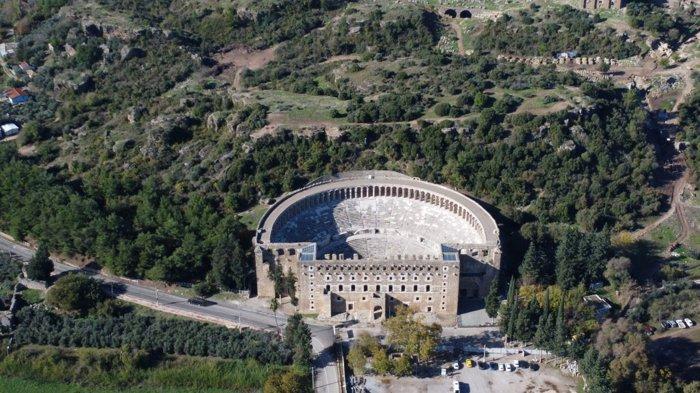
The Aspendos Ancient Theater, built by two Roman brothers, is considered one of the world's best-preserved Roman theaters, retaining both its stage building and extensive seating area. With a capacity of about 15,000, the theater continues to host concerts and large-scale performances.
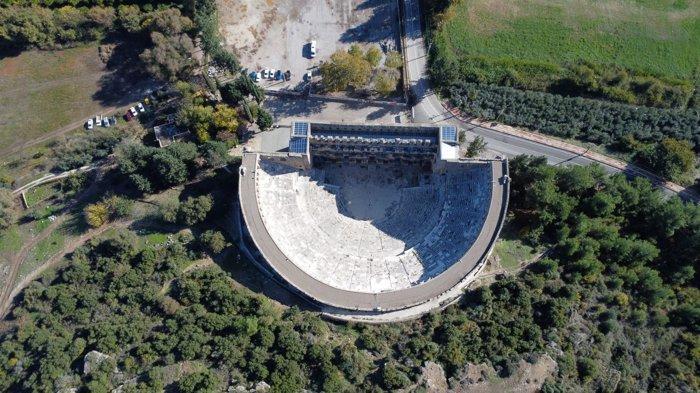
The ancient theater of Aspendos, commissioned by two Roman brothers, is regarded as one of the finest and best-preserved examples of a Roman theater to have survived intact to the present day.
The theater at Termessos, perched high in Gulluk Mountain National Park, offers sweeping views of the surrounding mountains and forests. Its elevated setting, like an eagle's nest, also provides ample opportunities to observe local wildlife and endemic plants.
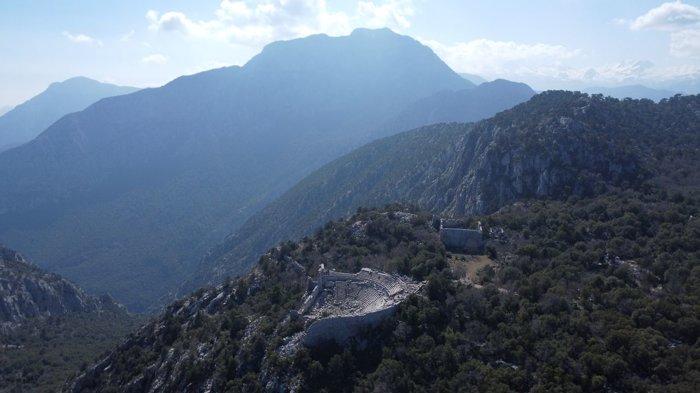
Alexander the Great failed to conquer Termessos, but today, the remarkably isolated ruins of this once-powerful city, perched like an eagle's nest in the mountains of southwestern Türkiye, can be conquered by anyone willing to make the hike. The ancient theater at Termessos, set in a location resembling an "eagle's nest," offers visitors an impressive setting where history and nature come together.
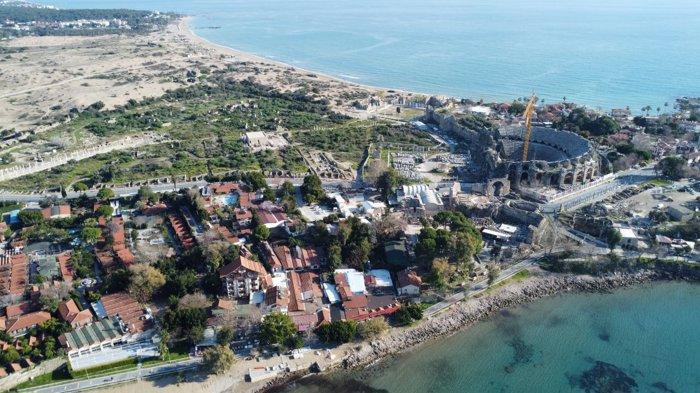
Side's ancient theater, one of the most imposing structures in the former Pamphylian port city, features a three-story stage building and elaborate decorations, standing out as a notable example of Roman architecture.
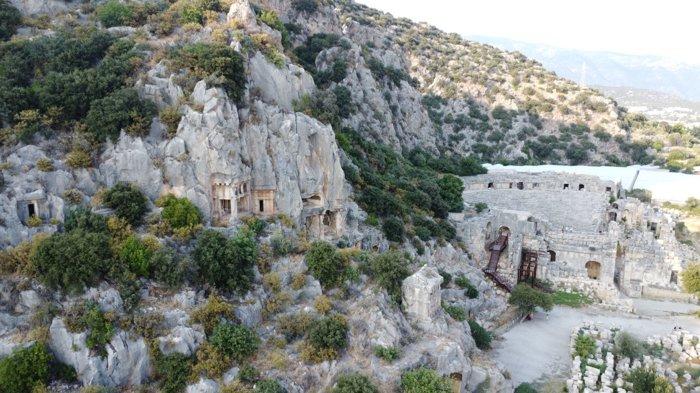
The theater in Myra Ancient City is regarded as one of the best-preserved Roman-era theaters, with seating rows and a stage building that remains intact up to half of its second story.
 The theaters of Perge — one of Anatolia's most systematically planned ancient cities known for its architecture and marble sculpture — along with Patara, former capital of the Lycian League; Xanthos, which is listed on UNESCO's World Heritage Tentative List; Limyra in Finike, famous for the waters flowing through it; Simena, distinguished by its stunning panoramic views of Kekova; and the ancient mountain city of Selge in Pisidia, are also among popular stops for tourists visiting the region.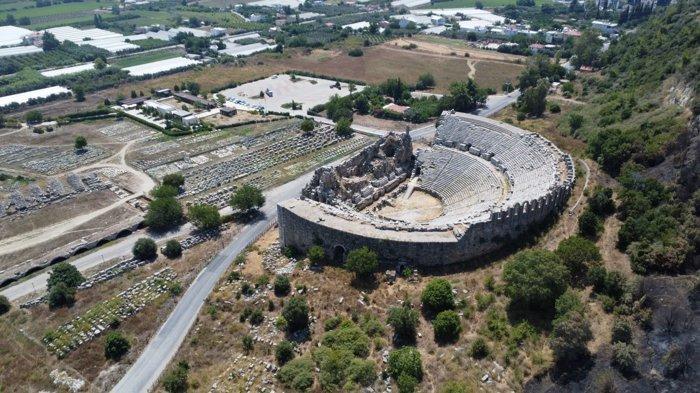
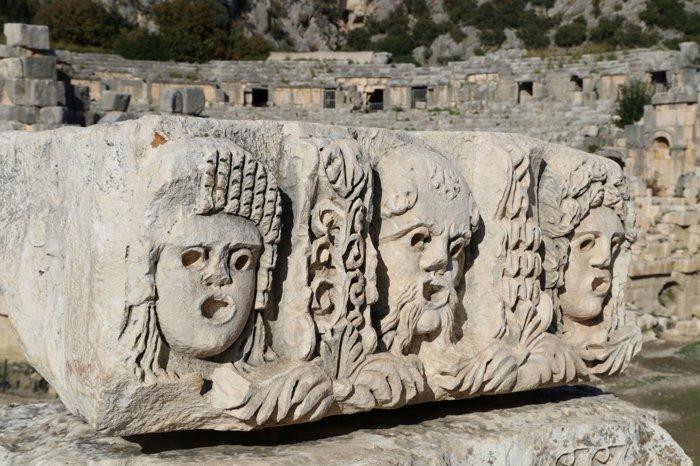
Myra
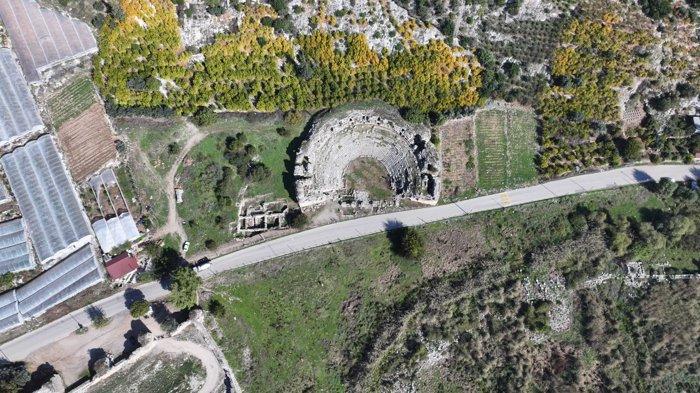
Located in the Finike district, the theater in the ancient city of Limyra—notable for the streams flowing through it—is a frequent stop for visitors exploring the area.
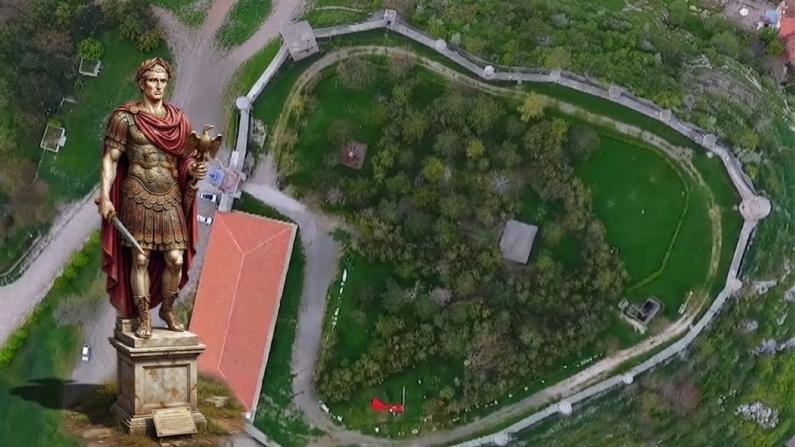
This is the fortress where Caesar said, 'Veni, vidi, vici'
In the Spotlight with The Odyssey: Was It Written in This Cave?
- Popular News -
Has Noah's Ark been found? Here's what we know so far
2,500-year-old discovery at ancient city where Alexander the Great's soldiers settled
190-year-old church known for its wall paintings to open to visitors

WhatsApp introduces optional parental controls for teenagers

Is Turkish coffee healthy? A cardiologist explains the benefits and risks of coffee
Catacombs of Kom el Shoqafa: Hidden underground for centuries, discovered by chance