


Found in a shipwreck 2,100 years later: Cicero had ordered them too
A 2,100-year-old shipwreck off Adrasan, on Türkiye's Mediterranean coast, has yielded luxury tableware that was particularly sought after in Rome. Mentioned in a letter by the Roman orator Cicero, how did these vessels survive for 2,100 years?
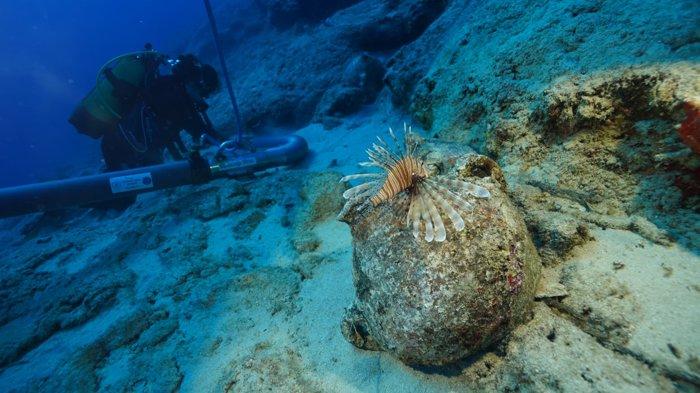
Off Adrasan, in Antalya's Kumluca district, underwater excavations that began in 2025 at a shipwreck carrying ceramics have shed light on the dining culture of antiquity and Mediterranean trade.
Luxury tableware of the ancient Mediterranean
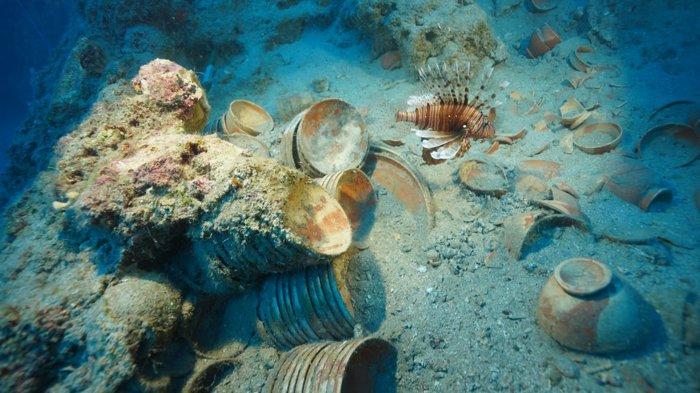
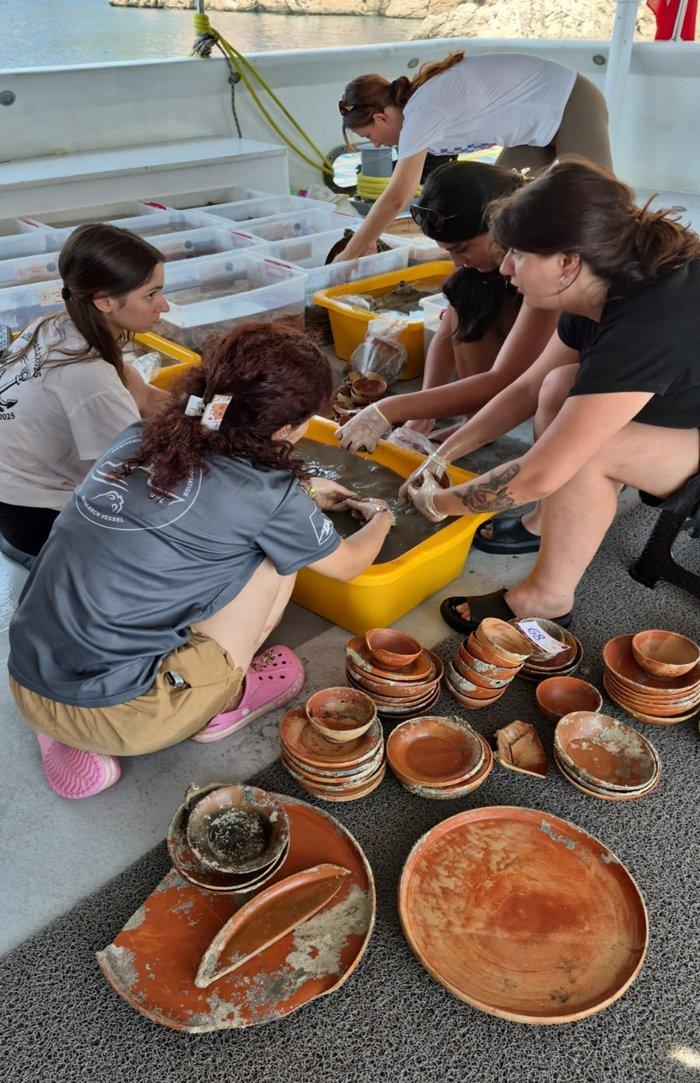
The main cargo of the wreck consists of plates and bowls originating from Antioch.
Among the artifacts believed to have been produced around Rhosus, the ancient name of today's Arsuz district in Hatay, are nut dishes, soup bowls, fish plates and trays in various sizes.
Particularly sought after in Rome, these products were among the luxury tableware of the ancient Mediterranean.
Amphorae believed to have been produced on some Aegean islands were also found in the wreck. The finds, pointing to different production centers, reveal the diversity of the cargo carried by the ship.
The vessels Cicero ordered for his friend
The historical significance of the Arsuz ceramics is further highlighted by their appearance in the correspondence of Cicero, the Roman orator and statesman.
In a letter to his friend Atticus in 50 BC, Cicero wrote that he had ordered ceramic vessels from Rhosus for him. The correspondence shows that tableware produced in the region was known and sought after in the Roman world.
The identification of the ceramics found in the Adrasan wreck with production from Rhosus also makes the excavation important for understanding the place of these products in maritime trade, as mentioned in ancient sources.
The clay that helped protect them for 2,100 years
There is a reason the plates and bowls from the wreck have survived in good condition.
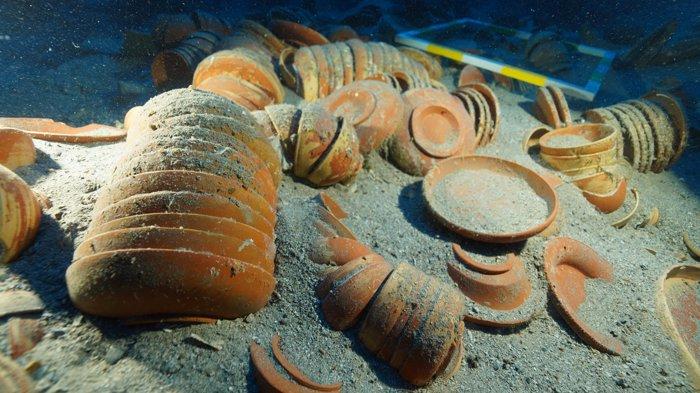
Before the ceramics were placed in wooden crates, clay was put between them. This method helped prevent the artifacts from breaking as the ship sank, contributing to their preservation for thousands of years.
The plates and bowls recovered from the sea still reveal the craftsmanship and distinctive forms of the period.
Traces of trade from Antioch to Italy
Coins from the 1st century BC originating from Antioch were found aboard the ship, shedding light on the dating of the wreck. The finds indicate that the ship operated in the mid-1st century BC within a trade network connecting Antioch, the Aegean, Greece and the Italian coast.
The ship is believed to have departed from Rhosus and is thought to have sunk after striking a shallow area during a storm, probably while sailing toward Rome.
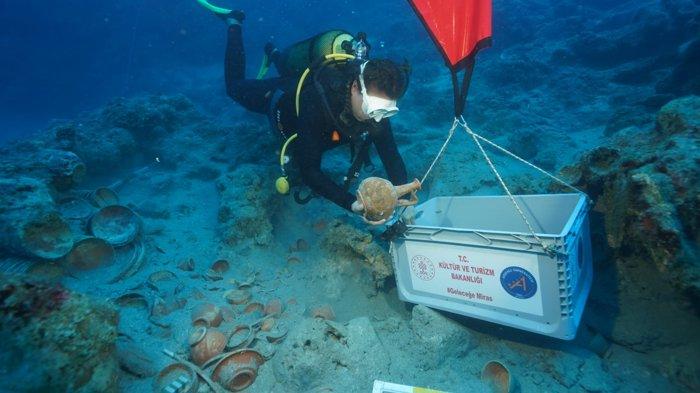
Excavations at the wreck off Adrasan are continuing, with underwater archaeologists working with the support of robots.
- Popular News -

Has Noah's Ark been found? Here's what we know so far
2,500-year-old discovery at ancient city where Alexander the Great's soldiers settled
190-year-old church known for its wall paintings to open to visitors

WhatsApp introduces optional parental controls for teenagers

Is Turkish coffee healthy? A cardiologist explains the benefits and risks of coffee
Catacombs of Kom el Shoqafa: Hidden underground for centuries, discovered by chance