



Catacombs of Kom el Shoqafa: Hidden underground for centuries, discovered by chance
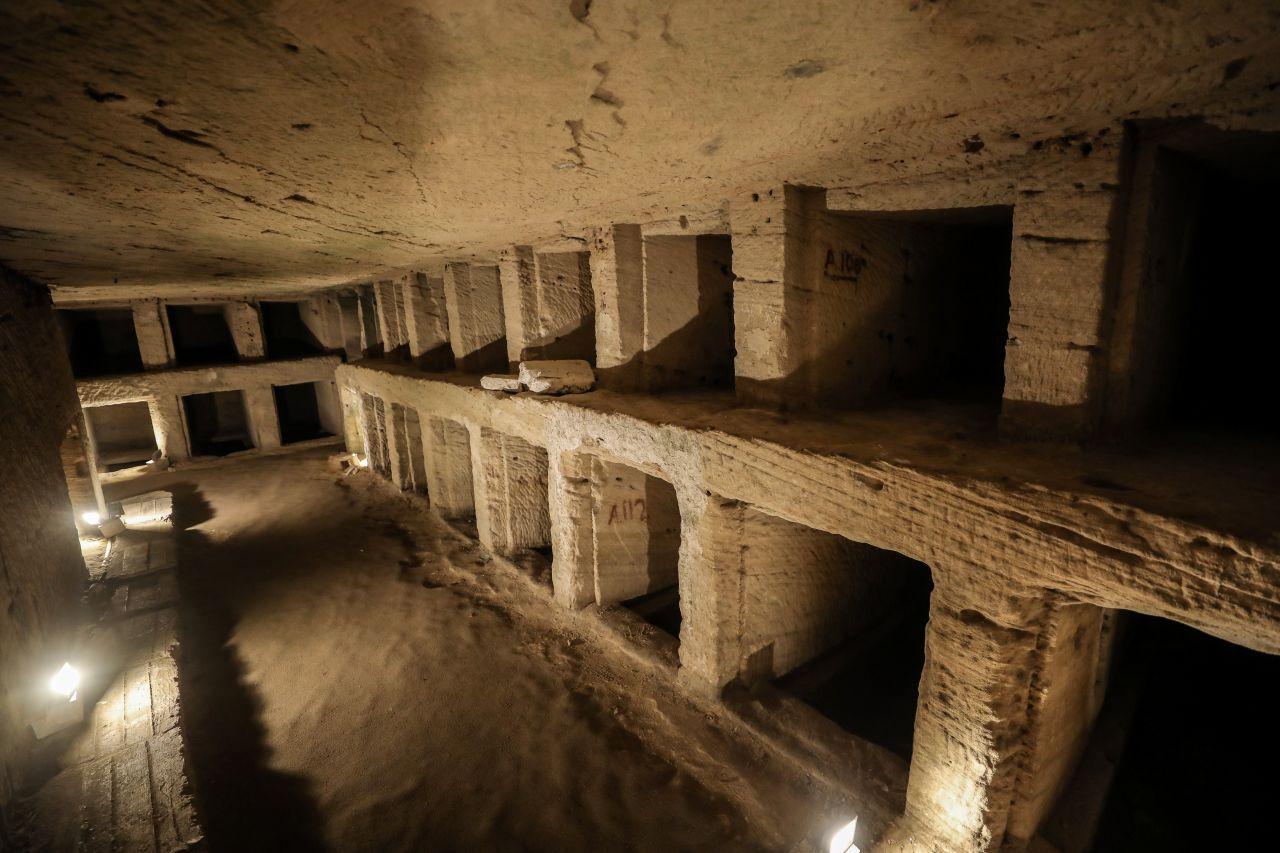
The Catacombs of Kom el Shoqafa in Alexandria, Egypt, are ancient underground tombs dating to the 2nd century AD that reflect the architectural and funerary traditions of both ancient Egypt and Rome. In this article, we explore what the Catacombs of Kom el Shoqafa are, what the name means, and what makes this historic site notable.
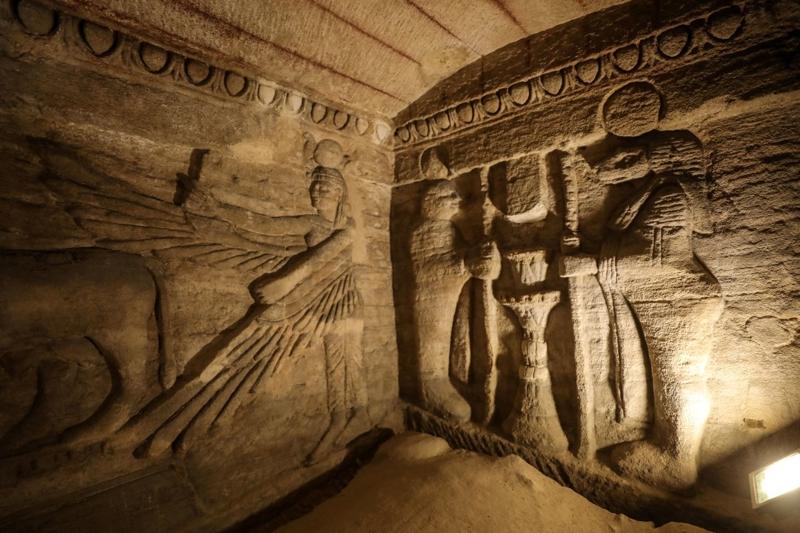
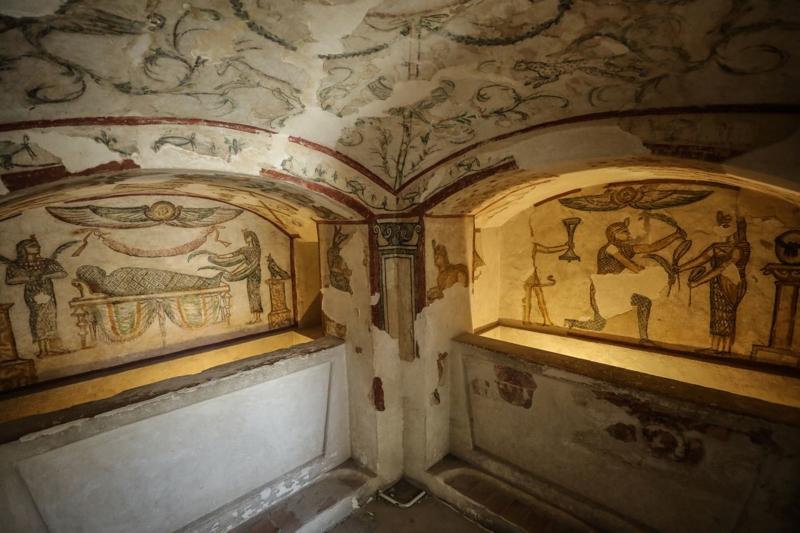
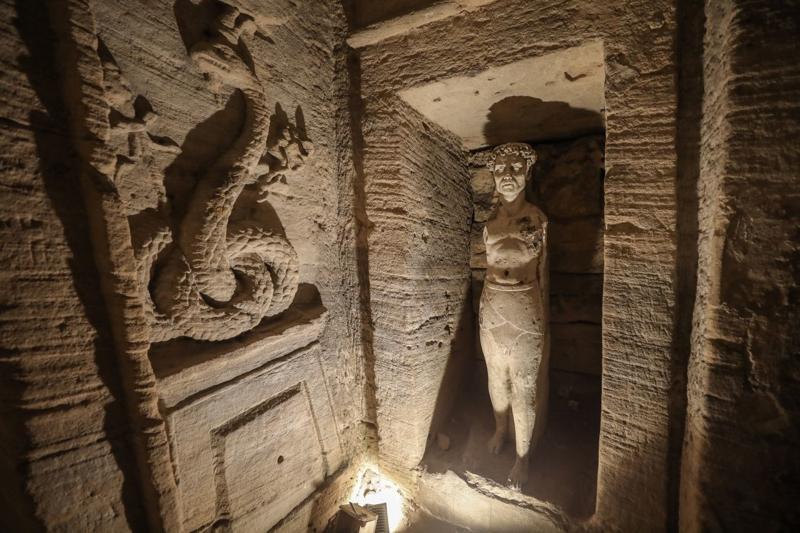
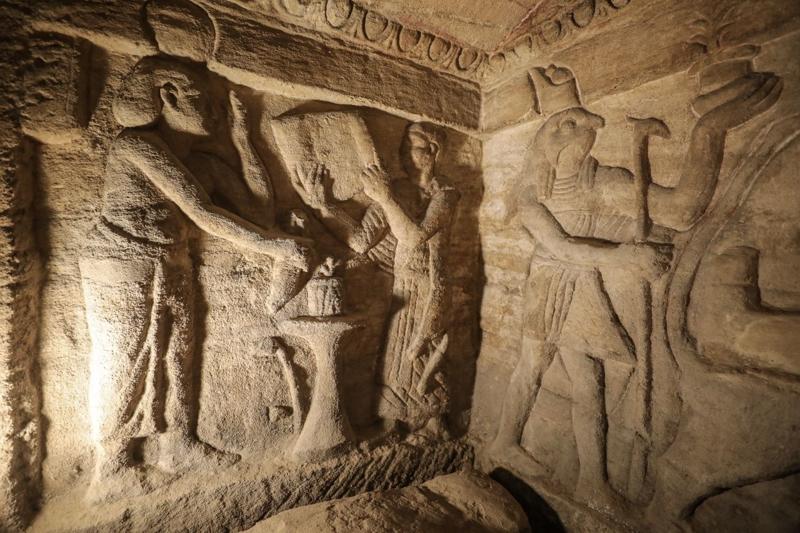
WHAT DOES THE NAME KOM EL SHOQAFA MEAN?
According to data from Egypt's Ministry of Tourism and Antiquities, the remains are known as "Kom el Shoqafa," meaning "mound of potsherds," due to the large amount of pottery fragments accumulated at the site.
Egyptian archaeologist Magdi Shaker told Anadolu Agency that during the Roman period, visitors to the tombs left behind the earthenware vessels they used during burial ceremonies, and that the accumulation of these fragments over time led the area to become known as Kom el Shoqafa.
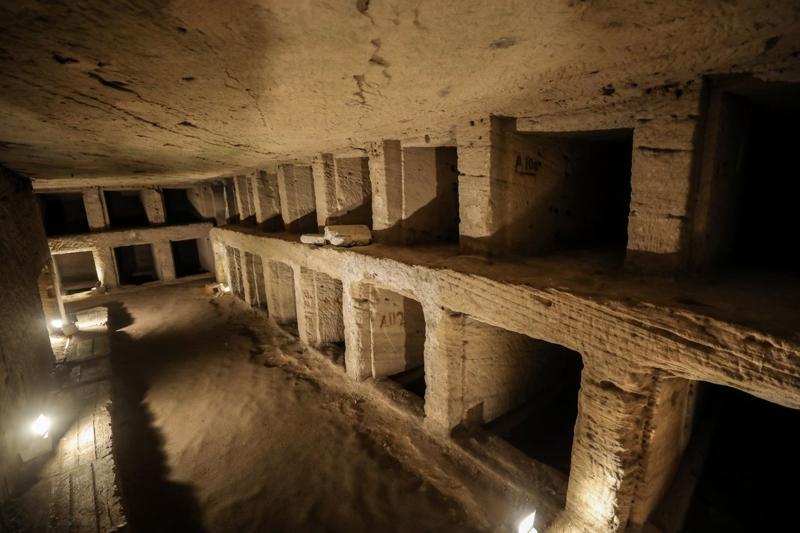
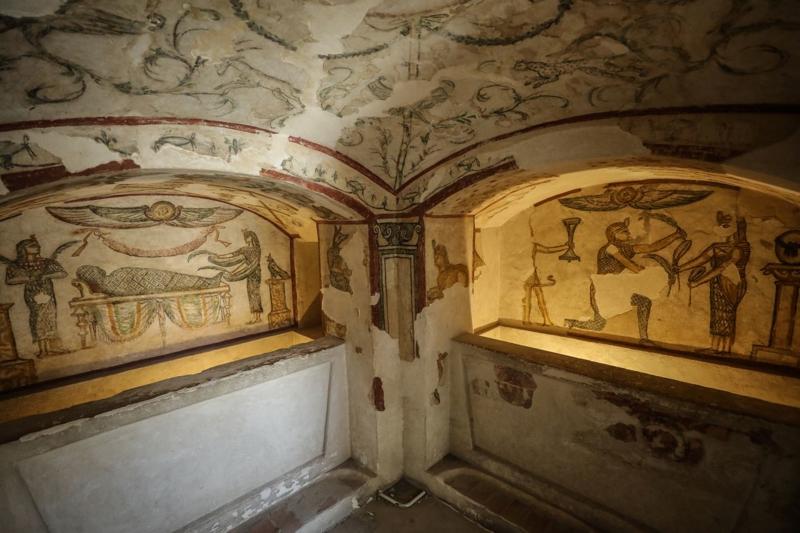
Describing Kom el Shoqafa as one of Alexandria's most important and intact historic structures, Shaker explained that the rock-cut site has an architectural layout containing spiral staircases, visitors' halls and areas for funerary banquets.
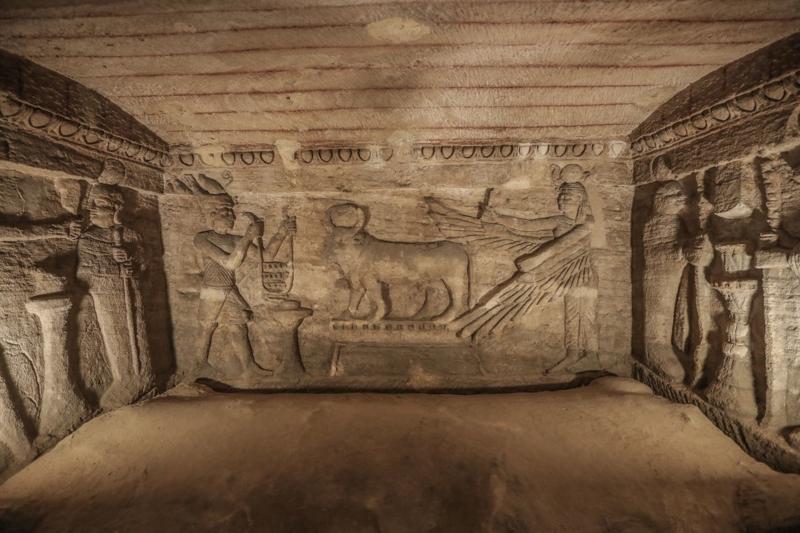
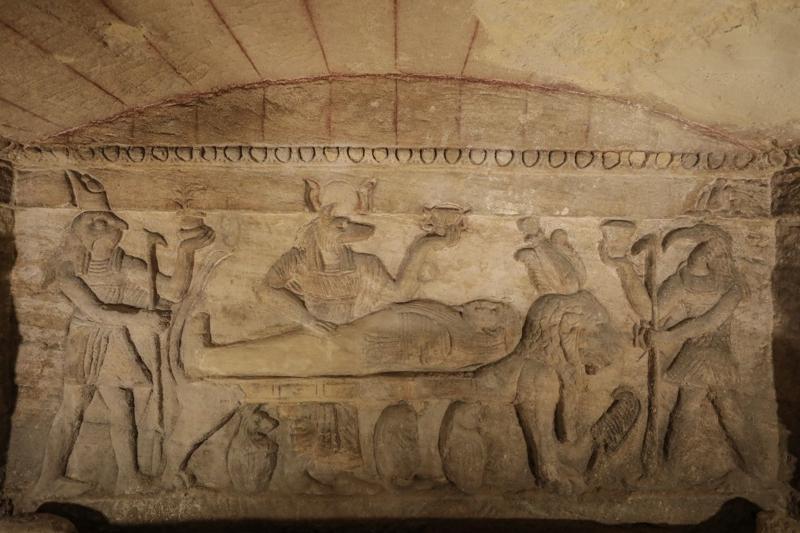
Shaker stated that the reliefs and decorations at the site reflect the ancient Egyptians' and Romans' understanding of death and immortality.
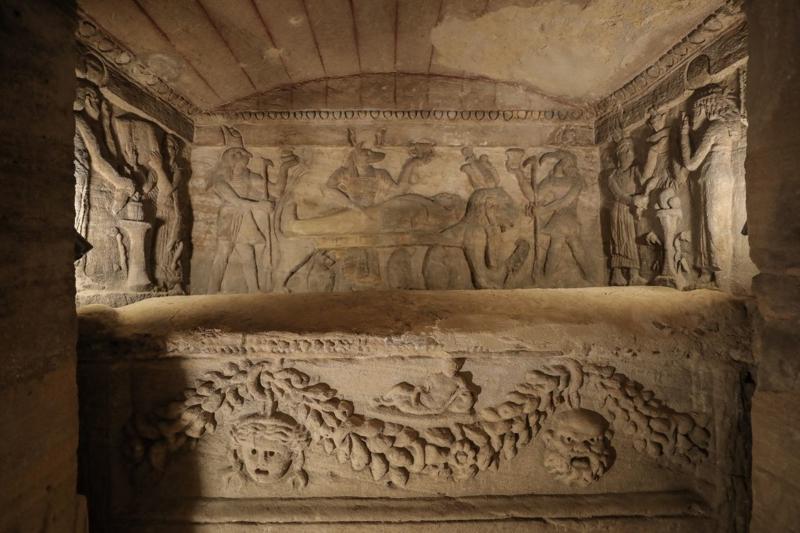
IT COULD ATTRACT TOURISTS FROM AROUND THE WORLD
Shaker stated that the historic site has the potential to attract tourists from around the world with its architectural and visual features, emphasizing the need to use modern presentation technologies in promotional activities.
Shaker proposed using three-dimensional interactive lighting, sound and music shows, as well as artificial intelligence technologies, to present the story of the tombs' discovery and their history through a cinematic narrative meeting international standards.
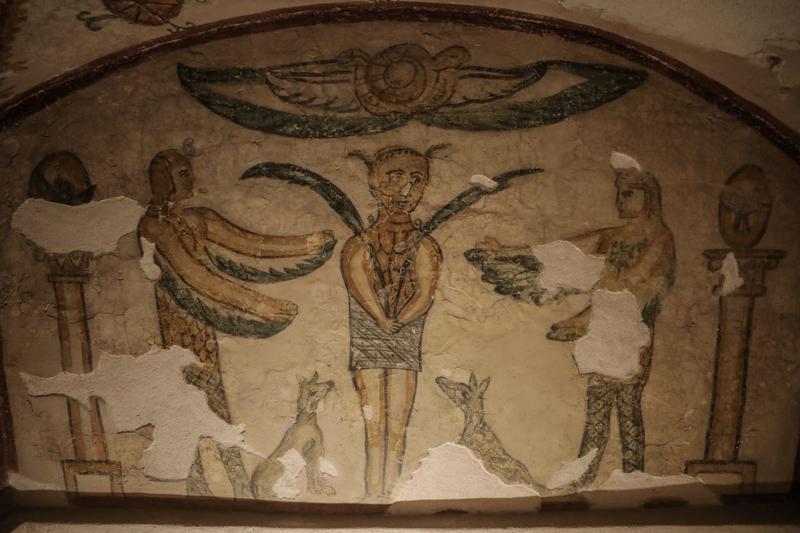
WHAT IS KNOWN ABOUT THE HISTORY OF KOM EL SHOQAFA?
According to data from the Ministry of Antiquities, the structure was initially built in the 2nd century AD as a private tomb for a wealthy Roman family living in ancient Alexandria.
As burial areas in the region became more limited, the underground cemetery with its corridors was transformed into a public cemetery, particularly during the 3rd and 4th centuries, and continued to be used until the end of the 4th century.
According to information on the website of the Egyptian Presidency, the rock-cut structure consists of three levels connected by a spiral staircase, and the height of the staircase steps gradually decreases as they approach the ground surface.
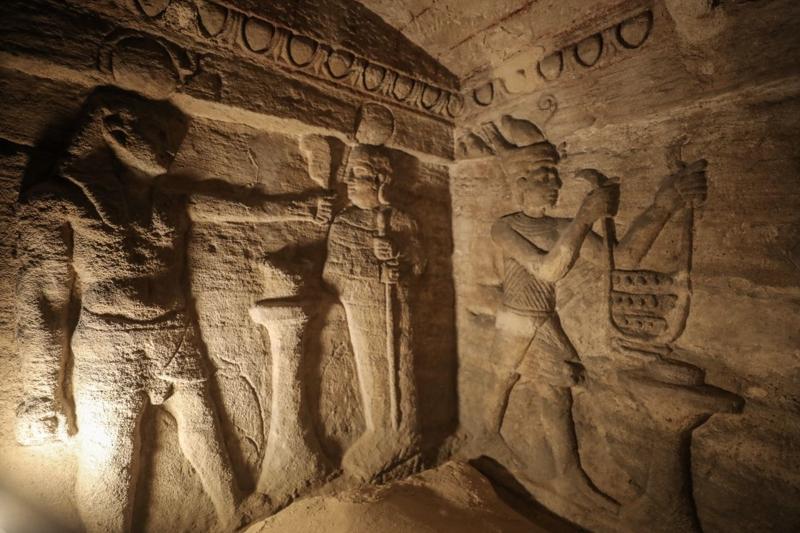
ACCIDENTALLY DISCOVERED IN 1900
The corridors, which had remained hidden underground for centuries, were accidentally brought to light in 1900.
From the time of its discovery, the site remained under threat for many years, particularly because of rising groundwater levels on the lower floors.
In March 2019, Egyptian authorities completed a project aimed at lowering the groundwater level, which had cost $5.7 million at the time.
- Popular News -

Has Noah's Ark been found? Here's what we know so far
2,500-year-old discovery at ancient city where Alexander the Great's soldiers settled
190-year-old church known for its wall paintings to open to visitors

WhatsApp introduces optional parental controls for teenagers

Is Turkish coffee healthy? A cardiologist explains the benefits and risks of coffee
Popular museums and heritage sites in Türkiye in 2025